Colorado Outdoor Recreation and Economy Act
Summary
What This Bill Does
The Colorado Outdoor Recreation and Economy Act is a large Colorado public-lands package. It adds thousands of acres in the White River, Grand Mesa, Uncompahgre, Gunnison, and San Juan National Forests to existing wilderness areas or creates new wilderness designations such as Hoosier Ridge. It creates wildlife conservation areas for Porcupine Gulch, Williams Fork Mountains, and Spraddle Creek and special management areas such as Sheep Mountain and Liberty Bell East, with management focused on wildlife, roadless, watershed, ecological, cultural, recreational, and scenic resources. It preserves state fish and wildlife authority, tribal treaty rights, traditional ceremonies, traditional plant gathering, and nonwilderness activities outside protected boundaries. It also provides Thompson Divide oil and gas lease credits for voluntary relinquishment, creates a Greater Thompson Divide fugitive coal mine methane use pilot program to inventory, lease, cap, destroy, mitigate, or beneficially use methane, and establishes the approximately 50,300-acre Curecanti National Recreation Area as a National Park System unit with land acquisition, federal transfers, and a general management plan.
Who Benefits and How
Colorado outdoor recreation communities benefit because wilderness, conservation, special management, and national recreation area designations protect recreation assets. Wildlife conservation organizations benefit from new protected areas for migration corridors, roadless resources, watersheds, and ecological values. Indian Tribes benefit because the bill preserves treaty rights and continued traditional ceremonial and plant-gathering uses. Thompson Divide leaseholders benefit from credits for voluntarily relinquishing covered oil and gas leases. Methane mitigation developers benefit from a pilot program for capturing, beneficially using, mitigating, or sequestering fugitive coal mine methane.
Who Bears the Burden and How
Bureau of Land Management staff must administer Thompson Divide lease credits, methane inventory and leasing, and land transfers. National Park Service staff must administer Curecanti National Recreation Area and prepare a general management plan. U.S. Forest Service staff must manage new wilderness additions, potential wilderness, conservation areas, and special management areas. Oil and gas developers in protected areas lose development opportunities where leases are relinquished or land designations constrain use. Federal taxpayers bear administrative, mapping, management-plan, and land-acquisition costs.
Key Provisions
- Adds Colorado federal lands to wilderness areas and creates new wilderness designations.
- Creates wildlife conservation and special management areas with resource-protection purposes.
- Protects state fish and wildlife jurisdiction, tribal treaty rights, and traditional tribal uses.
- Authorizes Thompson Divide lease credits for voluntary oil and gas lease relinquishment.
- Creates a Greater Thompson Divide fugitive coal mine methane use pilot program.
- Establishes Curecanti National Recreation Area as a National Park System unit.
Evidence Chain:
This summary is generated from the full bill text using AI analysis. Expand "Detailed Analysis" below for identified beneficiaries/burden bearers with clause-level evidence links.
At a Glance
What This Bill Does
Designates Colorado wilderness additions, wildlife conservation areas, special management areas, Thompson Divide lease-credit and methane programs, and the Curecanti National Recreation Area while preserving specified tribal, state, private-property, and existing-rights protections.
Key Policy Areas
Public Lands, Conservation, Outdoor Recreation
Primary Purpose
Designates Colorado wilderness additions, wildlife conservation areas, special management areas, Thompson Divide lease-credit and methane programs, and the Curecanti National Recreation Area while preserving specified tribal, state, private-property, and existing-rights protections.
Policy Domains
Resolution provisions
Identified Gains
- Colorado outdoor recreation communities
- Wildlife conservation organizations
- Indian Tribes
- Thompson Divide leaseholders
- Methane mitigation developers
Identified Costs
- Bureau of Land Management staff
- National Park Service staff
- U.S. Forest Service staff
- Oil and gas developers
- Federal taxpayers
Sponsors



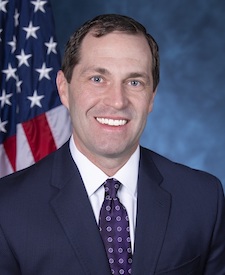
Legislative Progress
In CommitteeMr. Neguse (for himself, Ms. Pettersen, Ms. DeGette, and Mr. …
Referred to the House Committee on Natural Resources.
Introduced in House
Stakeholder Effects
cui bono?How this legislation distributes effects. Mention counts reflect frequency, not effect magnitude.
Bureau of Land Management, Indian Tribes, National Park Service
Oil and gas developers, Thompson Divide leaseholders
Positive-direction: Thompson Divide leaseholders
Negative-direction: Oil and gas developers
Colorado outdoor recreation communities
Bill Structure & Actor Mappings
Who is "The Secretary" in each section?
We use a combination of our own taxonomy and classification in addition to large language models to assess meaning and potential beneficiaries. High confidence means strong textual evidence. Always verify with the original bill text.
Learn more about our methodology