To direct the Secretary of Commerce to conduct a study on the feasibility of manufacturing in the United States products for critical infrastructure sectors, and for other purposes.
Sponsors

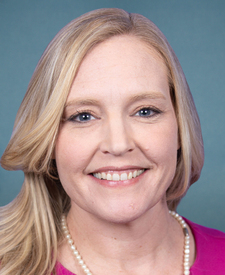
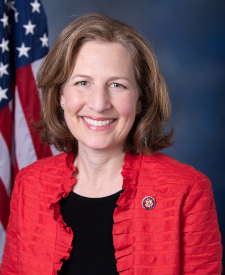
Legislative Progress
Passed HouseReceived; read twice and referred to the Committee on Commerce, …
Passed House (inferred from eh version)
Additional sponsor: Mrs. Houchin
Committed to the Committee of the Whole House on the …
Mrs. Miller-Meeks (for herself and Ms. Schrier) introduced the following …
Summary
What This Bill Does
Directs Commerce Secretary to study which critical infrastructure products are imported due to US manufacturing constraints and analyze feasibility of domestic manufacturing, particularly in rural areas and industrial parks.
Who Benefits and How
Domestic manufacturers gain insight into reshoring opportunities. Rural communities may benefit from industrial development recommendations. Critical infrastructure sectors gain supply chain analysis.
Who Bears the Burden and How
Commerce Department must complete study within 1 year and report within 18 months. No compelled disclosure authority provided.
Key Provisions
- Identify imported critical infrastructure products with US supply chain constraints
- Analyze costs/benefits of domestic manufacturing including jobs and product costs
- Assess feasibility of manufacturing in rural areas and industrial parks
- Public report with recommendations
- Covers all 16 critical infrastructure sectors from PPD-21
Evidence Chain:
This summary is derived from the structured analysis below. See "Detailed Analysis" for per-title beneficiaries/burden bearers with clause-level evidence links.
Primary Purpose
Requires Commerce Department study on feasibility of domestic manufacturing for critical infrastructure products
Policy Domains
Legislative Strategy
"Inform reshoring policy for critical infrastructure supply chains"
Bill Structure & Actor Mappings
Who is "The Secretary" in each section?
- "the_secretary"
- → Secretary of Commerce
Key Definitions
Terms defined in this bill
16 sectors identified in Presidential Policy Directive 21
We use a combination of our own taxonomy and classification in addition to large language models to assess meaning and potential beneficiaries. High confidence means strong textual evidence. Always verify with the original bill text.
Learn more about our methodology