Farm to Fly Act of 2025
Summary
What This Bill Does
The Farm to Fly Act connects farm policy to the sustainable aviation fuel market. It recognizes that U.S. agriculture can supply feedstocks for aviation biofuels and support the Sustainable Aviation Fuel Grand Challenge. It amends Farm Security and Rural Investment Act definitions to include sustainable aviation fuel in renewable fuel and biobased product language and defines SAF using ASTM fuel standards, biomass-based feedstock limits, exclusions for palm fatty acid distillates and petroleum, and at least a 50 percent lifecycle greenhouse-gas emissions reduction certification. It also directs the Secretary of Agriculture to coordinate across USDA mission areas to identify commercialization opportunities, leverage farmers, foresters, and agricultural producers, support rural economic development, and advance public-private partnerships. Finally, it amends the biorefinery, renewable chemical, and biobased product manufacturing assistance program to foster and advance sustainable aviation fuels.
Who Benefits and How
Farmers producing SAF feedstocks benefit because USDA programs would explicitly treat sustainable aviation fuel as a supported market. Foresters supplying biomass benefit if USDA coordination opens additional fuel feedstock opportunities. Sustainable aviation fuel producers benefit from eligibility in USDA biorefinery and biobased product assistance. Airlines seeking lower-carbon fuel benefit from a federal agriculture pathway to expand domestic SAF supply.
Who Bears the Burden and How
Department of Agriculture staff must coordinate across agencies and update program definitions and assistance criteria. Biorefinery applicants must meet ASTM, feedstock, and lifecycle greenhouse-gas reduction requirements to qualify. Fuel producers using palm fatty acid distillates or petroleum are excluded from the SAF definition. Federal taxpayers bear costs if USDA assistance expands to more SAF-related projects.
Key Provisions
- Adds sustainable aviation fuel to USDA renewable fuel and biobased product definitions.
- Requires SAF to meet ASTM standards and lifecycle greenhouse-gas reduction certification.
- Directs USDA to pursue a Farm to Fly collaboration initiative across mission areas.
- Expands biorefinery and biobased product assistance to foster sustainable aviation fuels.
Evidence Chain:
This summary is generated from the full bill text using AI analysis. Expand "Detailed Analysis" below for identified beneficiaries/burden bearers with clause-level evidence links.
At a Glance
What This Bill Does
Adds sustainable aviation fuel to USDA bioenergy definitions and programs, directs USDA-wide Farm to Fly coordination, and makes sustainable aviation fuel eligible for biorefinery and biobased manufacturing assistance.
Key Policy Areas
Agriculture, Aviation Fuel, Bioenergy
Primary Purpose
Adds sustainable aviation fuel to USDA bioenergy definitions and programs, directs USDA-wide Farm to Fly coordination, and makes sustainable aviation fuel eligible for biorefinery and biobased manufacturing assistance.
Policy Domains
Resolution provisions
Identified Gains
- Farmers producing SAF feedstocks
- Foresters supplying biomass
- Sustainable aviation fuel producers
- Airlines
Identified Costs
- Department of Agriculture staff
- Biorefinery applicants
- Excluded fuel producers
- Federal taxpayers
Sponsors


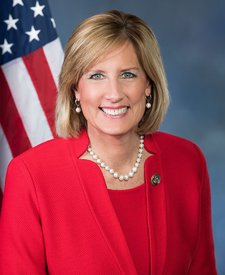


Legislative Progress
In CommitteeReferred to the Subcommittee on General Farm Commodities, Risk Management, …
Referred to the Subcommittee on Commodity Markets, Digital Assets, and …
Mr. Miller of Ohio (for himself, Mr. Flood, Mr. Finstad, …
Referred to the House Committee on Agriculture.
Introduced in House
Stakeholder Effects
cui bono?How this legislation distributes effects. Mention counts reflect frequency, not effect magnitude.
Biorefinery applicants, Sustainable aviation fuel producers
Positive-direction: Sustainable aviation fuel producers
Negative-direction: Biorefinery applicants
Bill Structure & Actor Mappings
Who is "The Secretary" in each section?
We use a combination of our own taxonomy and classification in addition to large language models to assess meaning and potential beneficiaries. High confidence means strong textual evidence. Always verify with the original bill text.
Learn more about our methodology