To amend the Defense Production Act of 1950 to include the Secretary of Agriculture as a member of the Committee on Foreign Investment in the United States, and for other purposes.
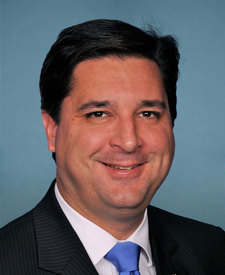
Sponsors
Legislative Progress
Passed HouseReceived; read twice and referred to the Committee on Banking, …
Passed House (inferred from eh version)
Additional sponsors: Ms. Tokuda, Mr. Barr, Mr. Nunn of Iowa, …
Reported from the Committee on Financial Services with an amendment
Committees on Energy and Commerce and Foreign Affairs discharged; committed …
Mr. Lucas introduced the following bill; which was referred to …
Summary
What This Bill Does
The Agricultural Risk Review Act of 2025 adds the Secretary of Agriculture to the Committee on Foreign Investment in the United States (CFIUS), the interagency body that reviews foreign acquisitions of U.S. businesses and assets for national security concerns. The bill specifically targets transactions involving American agricultural land, biotechnology, and the broader agriculture industry when foreign adversaries—China, North Korea, Russia, or Iran—are involved.
Who Benefits and How
American farmers and agricultural landowners benefit from increased federal scrutiny of foreign purchases of U.S. farmland, particularly from adversarial nations. The U.S. agriculture industry gains a dedicated advocate on CFIUS who understands the sector's strategic importance. National security interests are strengthened by closing a gap in foreign investment review that previously lacked specialized agricultural expertise.
Who Bears the Burden and How
The Secretary of Agriculture takes on new responsibilities to monitor agricultural land transactions, coordinate with intelligence agencies, and participate in CFIUS reviews. Foreign investors from China, Russia, North Korea, and Iran face heightened scrutiny and potential blocking of agricultural investments in the U.S. The CFIUS committee overall must now review additional transaction types involving agriculture, increasing its workload.
Key Provisions
- Makes the Secretary of Agriculture a member of CFIUS for any transaction involving agricultural land, agriculture biotechnology, or the agriculture industry (including transportation, storage, and processing)
- Requires CFIUS to review "reportable agricultural land transactions"—acquisitions by persons from China, North Korea, Russia, or Iran that the Secretary of Agriculture believes may be covered transactions
- Mandates coordination between the Secretary of Agriculture and the intelligence community to identify concerning transactions
- Includes a sunset provision: these requirements end for a specific country if that country is removed from the federal list of foreign adversaries
Evidence Chain:
This summary is derived from the structured analysis below. See "Detailed Analysis" for per-title beneficiaries/burden bearers with clause-level evidence links.
Primary Purpose
This bill amends the Defense Production Act of 1950 to include the Secretary of Agriculture as a member of the Committee on Foreign Investment in the United States (CFIUS), with a focus on reviewing transactions involving agricultural land, biotechnology, and industry from specified foreign adversaries.
Policy Domains
Bill Structure & Actor Mappings
Who is "The Secretary" in each section?
- "the_secretary"
- → Secretary of Agriculture
Key Definitions
Terms defined in this bill
A transaction that the Secretary of Agriculture has reason to believe is a covered transaction, involving acquisition of interest in agricultural land by foreign persons from specified countries.
Any transaction that involves agricultural land, agriculture biotechnology, or the agriculture industry.
We use a combination of our own taxonomy and classification in addition to large language models to assess meaning and potential beneficiaries. High confidence means strong textual evidence. Always verify with the original bill text.
Learn more about our methodology