Rebuild America’s Health Care Schools Act of 2025
Summary
What This Bill Does
The Rebuild America's Health Care Schools Act changes Medicare cost reimbursement for nursing and allied health education programs run by hospitals. For cost reporting periods beginning on or after enactment, the Secretary must include as reasonable costs all direct and indirect costs incurred by a hospital participating in a state-licensed or nationally or regionally accredited nursing or allied health education program. Covered costs include costs directly incurred by the hospital, costs allocated to the hospital by a related entity that holds the relevant license or accreditation, and costs associated with training a participant at the hospital or at a related entity. The bill is designed to let Medicare recognize the real cost of hospital-based health workforce education, including costs housed in related schools or entities.
Who Benefits and How
Hospitals with nursing education programs benefit because more direct and indirect education costs can be treated as Medicare reasonable costs. Allied health education programs benefit when hospital-affiliated training costs are recognized for reimbursement. Nursing students benefit indirectly if stronger reimbursement supports program capacity and clinical training sites. Hospital finance offices benefit from clearer rules for related-entity cost allocation.
Who Bears the Burden and How
Centers for Medicare and Medicaid Services staff must update cost-reporting instructions and reimbursement policy. Medicare Administrative Contractors must review allocated related-entity and training-site costs. Federal taxpayers bear higher Medicare reimbursement costs for covered education programs. Hospitals claiming costs must document licensure, accreditation, related-entity relationships, and participant training expenses.
Key Provisions
- Requires Medicare reasonable-cost calculations to include nursing and allied health education costs.
- Includes direct hospital costs, allocated related-entity costs, and participant training costs.
- Limits the rule to programs licensed by state law or accredited by a professional organization.
- Applies to cost reporting periods beginning on or after enactment.
Evidence Chain:
This summary is generated from the full bill text using AI analysis. Expand "Detailed Analysis" below for identified beneficiaries/burden bearers with clause-level evidence links.
At a Glance
What This Bill Does
Requires Medicare reasonable-cost reimbursement for hospital nursing and allied health education programs to include direct, allocated related-entity, and training-site costs for licensed or accredited programs.
Key Policy Areas
Medicare, Health Workforce, Hospital Finance
Primary Purpose
Requires Medicare reasonable-cost reimbursement for hospital nursing and allied health education programs to include direct, allocated related-entity, and training-site costs for licensed or accredited programs.
Policy Domains
Resolution provisions
Identified Gains
- Hospitals with nursing education programs
- Allied health education programs
- Nursing students
- Hospital finance offices
Identified Costs
- Centers for Medicare and Medicaid Services
- Medicare Administrative Contractors
- Federal taxpayers
- Hospitals claiming costs
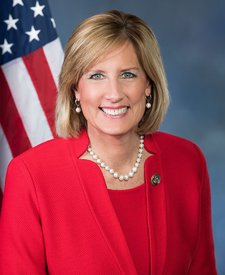
Sponsors




Legislative Progress
In CommitteeMr. LaHood (for himself, Ms. Craig, and Mrs. Fischbach) introduced …
Referred to the House Committee on Ways and Means.
Introduced in House
Stakeholder Effects
cui bono?How this legislation distributes effects. Mention counts reflect frequency, not effect magnitude.
Bill Structure & Actor Mappings
Who is "The Secretary" in each section?
We use a combination of our own taxonomy and classification in addition to large language models to assess meaning and potential beneficiaries. High confidence means strong textual evidence. Always verify with the original bill text.
Learn more about our methodology