To decrease dependency on People’s Republic of China manufacturing and decrease migration due to lost regional economic opportunities.
Summary
What This Bill Does
The bill requires sense of Congress; statement of policy It is the sense of Congress that the United States has economic and national security interests in securing the critical mineral and energy supply chains of Latin American, provides efforts of the Department of State and related agencies, and requires assistance from the United States International Development Finance Corporation The United States International Development Finance Corporation, in coordination with the Federal agencies and officials described. It relies on compliance mandates, trade restrictions, appropriations, and exemptions. The main policy areas are Energy Production, Energy, Foreign Policy, and Defense.
Who Benefits and How
Energy producers and energy supply-chain firms affected by the bill could face lower compliance burdens, National security and critical infrastructure stakeholders affected by the bill could gain revenue opportunities, and Foreign businesses and cross-border trade participants affected by the bill could face lower compliance burdens.
Who Bears the Burden and How
Federal, state, or local agencies responsible for implementing the clause would take on compliance duties, Lobbyists, political organizations, and disclosure users affected by the bill would take on compliance duties, and Foreign affairs agencies and foreign-policy stakeholders affected by the bill would take on compliance duties.
Key Provisions
- Requires sense of Congress; statement of policy It is the sense of Congress that the United States has economic and national security interests in securing the critical mineral and energy supply chains of Latin American...
- Provides efforts of the Department of State and related agencies.
- Requires assistance from the United States International Development Finance Corporation The United States International Development Finance Corporation, in coordination with the Federal agencies and officials described...
- Provides agreements for cooperation pursuant to section 123 of the Atomic Energy Act of 1954 The President is authorized to take action to initiate negotiations with any Latin American or Caribbean country to obtain an...
- Requires latin American or Caribbean country defined In this Act, the term Latin American or Caribbean country— means— a country in the Caribbean Sea, South America, or Central America.
Evidence Chain:
This summary is generated from the full bill text using AI analysis. Expand "Detailed Analysis" below for identified beneficiaries/burden bearers with clause-level evidence links.
At a Glance
What This Bill Does
The bill requires sense of Congress; statement of policy It is the sense of Congress that the United States has economic and national security interests in securing the critical mineral and energy supply chains of Latin American, provides efforts of the Department of State and related agencies, and requires assistance from the United States International Development Finance Corporation The United States International Development Finance Corporation, in coordination with the Federal agencies and officials described.
Key Policy Areas
Energy Production, Energy, Foreign Policy, Defense
Primary Purpose
The bill requires sense of Congress; statement of policy It is the sense of Congress that the United States has economic and national security interests in securing the critical mineral and energy supply chains of Latin American, provides efforts of the Department of State and related agencies, and requires assistance from the United States International Development Finance Corporation The United States International Development Finance Corporation, in coordination with the Federal agencies and officials described.
Policy Domains
Whole bill
Identified Gains
- Energy producers and energy supply-chain firms affected by the bill
- National security and critical infrastructure stakeholders affected by the bill
- Foreign businesses and cross-border trade participants affected by the bill
- Foreign affairs agencies and foreign-policy stakeholders affected by the bill
- Researchers and scientific institutions affected by the bill
Identified Costs
- Federal, state, or local agencies responsible for implementing the clause
- Lobbyists, political organizations, and disclosure users affected by the bill
- Foreign affairs agencies and foreign-policy stakeholders affected by the bill
Sponsors
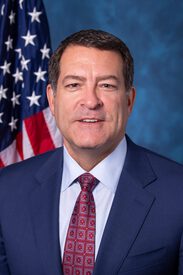

Legislative Progress
IntroducedMr. Green of Tennessee (for himself and Mr. McCaul) introduced …
Impact analysis is available but no clear stakeholder effects identified. View clause-level analysis →
Bill Structure & Actor Mappings
Who is "The Secretary" in each section?
We use a combination of our own taxonomy and classification in addition to large language models to assess meaning and potential beneficiaries. High confidence means strong textual evidence. Always verify with the original bill text.
Learn more about our methodology