To amend the Fair Labor Standards Act of 1938 to provide more effective remedies to victims of discrimination in the payment of wages on the basis of sex, and for other purposes.
Sponsors
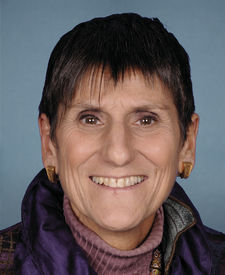

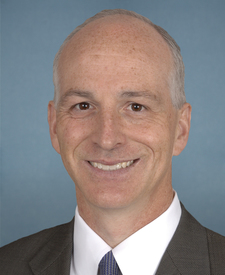
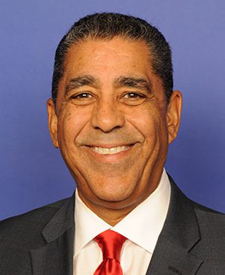

Legislative Progress
IntroducedMs. DeLauro (for herself, Mr. Figures, Ms. Sewell, Ms. Ansari, …
Summary
What This Bill Does
The Paycheck Fairness Act strengthens federal laws against gender-based wage discrimination by making it easier for workers to challenge unfair pay practices and harder for employers to justify pay disparities. It expands the definition of "sex" to include pregnancy, sexual orientation, gender identity, and sex characteristics, and prohibits employers from using salary history in hiring or wage decisions.
Who Benefits and How
Women and minority workers gain stronger legal protections against pay discrimination, including the right to discuss wages without retaliation, access to class action lawsuits, and protection from having lower past wages follow them to new jobs. Workers can recover compensatory and punitive damages (not just back pay) when employers discriminate. Job seekers benefit because employers cannot ask about or rely on salary history, which helps break cycles of wage inequality.
Who Bears the Burden and How
All employers, especially those with 100 or more employees, face new compliance requirements. They must submit annual compensation data broken down by sex, race, and national origin to the EEOC. Federal contractors face additional data collection requirements. Employers can no longer ask about salary history during hiring and must post notices about pay equity rights. Those found in violation face civil penalties of ,000-,000 per offense plus liability for damages.
Key Provisions
- Bans employers from asking about or using salary history in hiring decisions or setting wages
- Requires employers with 100+ employees to annually report compensation data by sex, race, and national origin to the EEOC
- Allows workers to bring class action lawsuits for pay discrimination and recover compensatory and punitive damages
- Protects employees who discuss their wages from retaliation
- Establishes a National Equal Pay Enforcement Task Force across EEOC, DOJ, DOL, and OPM
- Creates grant programs for negotiation skills training and research on pay disparities
- Provides small businesses with technical assistance for compliance
Evidence Chain:
This summary is derived from the structured analysis below. See "Detailed Analysis" for per-title beneficiaries/burden bearers with clause-level evidence links.
Primary Purpose
We use a combination of our own taxonomy and classification in addition to large language models to assess meaning and potential beneficiaries. High confidence means strong textual evidence. Always verify with the original bill text.
Learn more about our methodology