Law Enforcement Protection and Privacy Act of 2025
Summary
What This Bill Does
The Law Enforcement Protection and Privacy Act makes firearm trace and licensee records harder to disclose. It adds the contents of the Firearm Trace System database maintained by ATF's National Trace Center, and information kept or reported by federal firearms licensees under 18 U.S.C. 923(g), to FOIA exemption language. It authorizes the Attorney General to fine state, local, tribal, or foreign entities $10,000 for a first unauthorized disclosure and $25,000 for later violations, with a one-year cutoff from receiving protected information after a repeat fine. It also creates a private right of action for licensed firearm entities harmed by unlawful disclosures, waives sovereign immunity as a defense, and provides treble damages or $25,000 per disclosed piece of protected information, punitive damages, attorney fees, and costs.
Who Benefits and How
Federal firearms licensees benefit because trace and licensee records receive stronger nondisclosure protections and lawsuit remedies. Firearms dealers benefit from damages and fee-shifting if protected information is unlawfully disclosed. ATF National Trace Center staff benefit from a clearer FOIA exemption for trace database contents. Law enforcement agencies using trace data benefit if confidentiality rules preserve investigative cooperation.
Who Bears the Burden and How
State governments face fines and a one-year information cutoff after unauthorized disclosure violations. Local governments face litigation and statutory damages if they disclose protected firearm trace or licensee information. Public records advocates lose access to covered ATF trace and licensee records through FOIA. Federal agencies face private lawsuits and waived sovereign immunity for unlawful disclosures.
Key Provisions
- Adds ATF Firearm Trace System and licensee information to FOIA nondisclosure protection.
- Creates fines for state, local, tribal, or foreign entities that unlawfully disclose protected information.
- Bars repeat violators from receiving protected information for one year.
- Creates a private right of action for licensed firearm entities harmed by unauthorized disclosures.
- Provides treble damages, statutory damages, punitive damages, attorney fees, and costs.
Evidence Chain:
This summary is generated from the full bill text using AI analysis. Expand "Detailed Analysis" below for identified beneficiaries/burden bearers with clause-level evidence links.
At a Glance
What This Bill Does
Protects firearm trace and licensee information by exempting ATF trace records from FOIA, fining nonfederal entities for unauthorized disclosures, and giving licensed firearm entities a private right of action.
Key Policy Areas
Firearms, Privacy, Administrative Law
Primary Purpose
Protects firearm trace and licensee information by exempting ATF trace records from FOIA, fining nonfederal entities for unauthorized disclosures, and giving licensed firearm entities a private right of action.
Policy Domains
Resolution provisions
Identified Gains
- Federal firearms licensees
- Firearms dealers
- ATF National Trace Center staff
- Law enforcement agencies
Identified Costs
- State governments
- Local governments
- Public records advocates
- Federal agencies
Sponsors
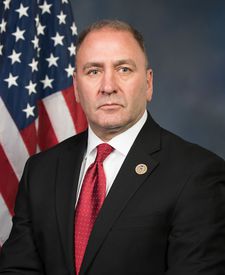

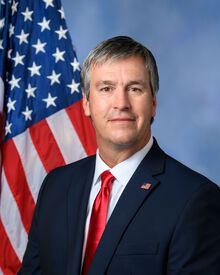


Legislative Progress
In CommitteeMr. Higgins of Louisiana (for himself, Mr. Weber of Texas, …
Referred to the Committee on the Judiciary, and in addition …
Introduced in House
Stakeholder Effects
cui bono?How this legislation distributes effects. Mention counts reflect frequency, not effect magnitude.
Local governments, State governments
Bill Structure & Actor Mappings
Who is "The Secretary" in each section?
We use a combination of our own taxonomy and classification in addition to large language models to assess meaning and potential beneficiaries. High confidence means strong textual evidence. Always verify with the original bill text.
Learn more about our methodology