To authorize the Secretary of State to negotiate regional immigration agreements, and for other purposes.
Sponsors


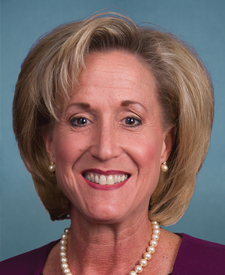


Legislative Progress
ReportedAdditional sponsors: Mrs. Wagner, Mr. McCormick, Mr. Self, Mrs. Radewagen, …
Reported from the Committee on Foreign Affairs with an amendment
Committee on the Judiciary discharged; committed to the Committee of …
Mr. McCaul introduced the following bill; which was referred to …
Summary
What This Bill Does
Directs State Department to negotiate immigration cooperation agreements with Mexico, Central American countries, and others. Seeks burden sharing for asylum processing and enforcement.
Who Benefits and How
US immigration enforcement gains regional cooperation. Mexico and Central America share asylum processing burden. Legal immigration pathways potentially improved.
Who Bears the Burden and How
Western Hemisphere countries take on asylum processing responsibilities. Mexico must accept non-Mexican asylum seekers. Migrants face processing outside US.
Key Provisions
- Authorizes regional immigration agreements
- Requires Mexico to process non-Mexican asylum claims
- Links aid to proven reduction in illegal immigration
Evidence Chain:
This summary is derived from the structured analysis below. See "Detailed Analysis" for per-title beneficiaries/burden bearers with clause-level evidence links.
Primary Purpose
Authorizes State Department to negotiate regional immigration agreements with Latin American countries
Policy Domains
Legislative Strategy
"Externalize immigration processing to partner countries"
Bill Structure & Actor Mappings
Who is "The Secretary" in each section?
- "secretary"
- → Secretary of State
We use a combination of our own taxonomy and classification in addition to large language models to assess meaning and potential beneficiaries. High confidence means strong textual evidence. Always verify with the original bill text.
Learn more about our methodology