To amend title 5, United States Code, to increase the accountability of the Office of Special Counsel in enforcing certain provisions of that title vigorously, consistently, and without regard to the political affiliation, career status, or personal characteristics of individuals subject to those provisions, and for other purposes.
Analysis under review: This bill has generated analysis that may be too generic or incomplete. Clause-level evidence remains available below.
Summary
What This Bill Does
This bill prohibits individuals and entities associated with the governments of Iran, North Korea, China, and Russia (called covered persons) from purchasing or leasing agricultural land in the United States. It also bars these covered persons from participating in Department of Agriculture programs. The bill strengthens foreign investment disclosure requirements and creates new reporting and transparency measures.
Who Benefits and How
American farmers and agricultural landowners benefit from reduced foreign competition for farmland purchases. U.S. national security interests are protected by preventing adversarial nations from controlling strategic agricultural resources. The general public benefits from increased transparency through public databases tracking foreign ownership of U.S. farmland.
Who Bears the Burden and How
Foreign investors from Iran, North Korea, China, and Russia face a complete prohibition on acquiring U.S. agricultural land. Foreign agricultural businesses currently receiving USDA program benefits will lose access to those programs. The Department of Agriculture and intelligence agencies face new reporting and data publication requirements that increase administrative workload.
Key Provisions
- Prohibits covered persons from purchasing or leasing both public and private U.S. agricultural land, with penalties under the International Emergency Economic Powers Act
- Bars covered persons from USDA program participation (except food safety programs)
- Expands definition of interest in land to include security interests and all leases
- Increases penalty ranges for disclosure violations and adds lien enforcement
- Requires biennial reports from USDA, DNI, and GAO on foreign agricultural land ownership
Evidence Chain:
This summary is generated from the full bill text using AI analysis. Expand "Detailed Analysis" below for identified beneficiaries/burden bearers.
At a Glance
What This Bill Does
Prohibits persons associated with Iran, North Korea, China, and Russia from purchasing or leasing agricultural land in the United States and bars them from participating in USDA programs.
Key Policy Areas
Agriculture, National Security, Foreign Investment, Trade
Primary Purpose
Prohibits persons associated with Iran, North Korea, China, and Russia from purchasing or leasing agricultural land in the United States and bars them from participating in USDA programs.
Policy Domains
Protecting Americas Agricultural Land from Foreign Harm Act of 2025
Identified Gains
Contextual inference, no direct clause citation- U.S. farmers and agricultural landowners
- National security agencies
- General public
Contextual inference, no direct clause citation
Identified Costs
Contextual inference, no direct clause citation- Foreign investors from adversarial nations
- Department of Agriculture
- Intelligence agencies
Contextual inference, no direct clause citation
Sponsors
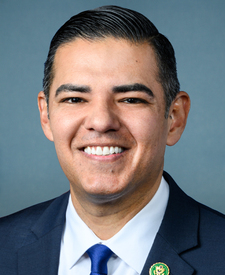
Legislative Progress
IntroducedMr. Garcia of California introduced the following bill; which was …
Stakeholder Effects
cui bono?How this legislation distributes effects. Mention counts reflect frequency, not effect magnitude.
Congressional oversight committees, Federal agency heads, Federal employees subject to Hatch Act complaints
Positive-direction: Congressional oversight committees
Negative-direction: Federal agency heads, Federal employees subject to Hatch Act complaints, Noncareer employees (political appointees), Office of Personnel Management, Office of Special Counsel
Bill Structure & Actor Mappings
Who is "The Secretary" in each section?
- "the_director"
- → Director of National Intelligence
- "the_president"
- → President of the United States
- "the_secretary"
- → Secretary of Agriculture
- "the_comptroller_general"
- → Comptroller General of the United States
Key Definitions
Terms defined in this bill
Has the meaning given in section 9 of the Agricultural Foreign Investment Disclosure Act of 1978, including land used for ranching purposes
A person owned by, controlled by, or subject to the jurisdiction or direction of the governments of Iran, North Korea, China, or Russia (excludes U.S. citizens and lawful permanent residents)
The Secretary of Agriculture
Includes any State, territory, or possession of the United States
Includes a security interest and a lease, without regard to the duration of the lease
We use a combination of our own taxonomy and classification in addition to large language models to assess meaning and potential beneficiaries. High confidence means strong textual evidence. Always verify with the original bill text.
Learn more about our methodology