TORCH Act
Summary
What This Bill Does
The TORCH Act is a wildfire and forest-management bill. It directs USDA to develop a categorical exclusion for high-priority hazard tree activities, capped at 3,000 acres and still subject to extraordinary-circumstances review. It requires the Forest Service to work with grazing permittees on using livestock grazing for wildfire risk reduction, including vacant allotments during drought, wildfire, or natural disasters, targeted grazing, temporary permits, and postfire recovery. It changes good-neighbor agreement revenue rules so governors, Indian Tribes, and counties can retain timber-sale proceeds for restoration work under the agreement or other good-neighbor projects. It also creates a categorical exclusion for utility-line vegetation management plans and routine activities, lets electric utilities cut hazardous vegetation near distribution and transmission lines without separate timber sales, and prevents reinitiated ESA consultation on land-management plans solely because of new listings, critical habitat, or new information.
Who Benefits and How
U.S. Forest Service managers benefit from faster NEPA pathways for hazard trees, utility-line vegetation, and wildfire risk projects. Electric utilities benefit because permits or easements can include authority to remove hazardous vegetation near lines without a separate timber sale. Livestock grazing permittees benefit from expanded use of grazing as a fuels-reduction and postfire recovery tool. Indian Tribes, states, and counties benefit from retaining good-neighbor timber revenue for restoration services.
Who Bears the Burden and How
Environmental review organizations face fewer opportunities to demand environmental assessments or impact statements for covered activities. Species protection advocates lose a reinitiated-consultation trigger for land-management plans after new listings or critical habitat designations. Forest Service staff must administer new categorical exclusions, grazing strategies, utility permissions, and revenue accounting. Electric utilities must return sale proceeds from removed vegetation material after transportation costs when they sell it.
Key Provisions
- Creates a categorical exclusion for high-priority hazard tree activities up to 3,000 acres.
- Directs USDA to expand livestock grazing as a wildfire risk-reduction strategy.
- Allows Indian Tribes, states, and counties to retain good-neighbor timber proceeds for restoration work.
- Creates a categorical exclusion for utility-line vegetation management and routine activities.
- Limits reinitiated ESA consultation for approved land-management plans based on later species or habitat developments.
Evidence Chain:
This summary is generated from the full bill text using AI analysis. Expand "Detailed Analysis" below for identified beneficiaries/burden bearers with clause-level evidence links.
At a Glance
What This Bill Does
Expands wildfire-risk and forest-management authorities through hazard-tree and utility-line categorical exclusions, grazing strategies, good-neighbor revenue rules, and limits on reinitiated ESA consultation for land-management plans.
Key Policy Areas
Forestry, Wildfire, Public Lands
Primary Purpose
Expands wildfire-risk and forest-management authorities through hazard-tree and utility-line categorical exclusions, grazing strategies, good-neighbor revenue rules, and limits on reinitiated ESA consultation for land-management plans.
Policy Domains
Resolution provisions
Identified Gains
- U.S. Forest Service managers
- Electric utilities
- Livestock grazing permittees
- Indian Tribes
Identified Costs
- Environmental review organizations
- Species protection advocates
- Forest Service staff
- Electric utilities
Sponsors
Legislative Progress
In CommitteeReferred to the Subcommittee on Forestry and Horticulture.
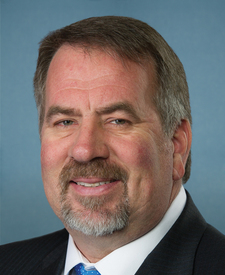
Mr. LaMalfa introduced the following bill; which was referred to …
Referred to the Committee on Agriculture, and in addition to …
Introduced in House
Stakeholder Effects
cui bono?How this legislation distributes effects. Mention counts reflect frequency, not effect magnitude.
Environmental review organizations, Species protection advocates
Bill Structure & Actor Mappings
Who is "The Secretary" in each section?
We use a combination of our own taxonomy and classification in addition to large language models to assess meaning and potential beneficiaries. High confidence means strong textual evidence. Always verify with the original bill text.
Learn more about our methodology