Make SWAPs Efficient Act of 2025
Summary
What This Bill Does
The Make State Wildlife Action Plans Efficient Act amends the Pittman-Robertson Wildlife Restoration Act approval process for state wildlife conservation and restoration programs. In the House-passed version, when a state submits a comprehensive plan, the Secretary must conditionally authorize implementation of the state's program and set aside the relevant amounts. Interior, in consultation with the states, must develop a process for sufficient and timely review and final approval within 180 days. If approval is not completed on time, the Secretary must report by June 1 of the following year to the House Natural Resources Committee and the Senate Environment and Public Works Committee on the plan's status and reasons for delay.
Who Benefits and How
State fish and wildlife agencies, state wildlife action plan teams, habitat restoration projects, conservation nonprofits, hunters and anglers whose excise taxes fund Pittman-Robertson programs, at-risk species programs, and state budget offices benefit from faster conditional authorization, reserved funding, and a clear 180-day federal review expectation. States gain less uncertainty while Interior reviews comprehensive plans.
Who Bears the Burden and How
The Secretary of the Interior, U.S. Fish and Wildlife Service Wildlife and Sport Fish Restoration staff, state plan reviewers, federal grant managers, House Natural Resources staff, Senate Environment and Public Works staff, and state agency coordinators must create the review process, conditionally authorize programs, set aside amounts, finish reviews within 180 days, and explain missed deadlines to Congress.
Key Provisions
- Requires conditional authorization of a state's wildlife conservation and restoration program when a comprehensive plan is submitted.
- Requires Interior to set aside amounts for the state while review proceeds.
- Requires Interior and states to develop a process for sufficient and timely plan review.
- Requires final approval within 180 days after state plan submission.
- States congressional intent that the Secretary prioritize timely review and approval.
- Requires a June 1 congressional report when approval is not completed on time.
Evidence Chain:
This summary is generated from the full bill text using AI analysis. Expand "Detailed Analysis" below for identified beneficiaries/burden bearers with clause-level evidence links.
At a Glance
What This Bill Does
Requires Interior to conditionally authorize state wildlife conservation and restoration programs and set aside funds when states submit comprehensive plans, complete final approval within 180 days, consult with states on timely review, and report missed deadlines to Congress.
Key Policy Areas
Wildlife, State Government, Conservation Grants
Primary Purpose
Requires Interior to conditionally authorize state wildlife conservation and restoration programs and set aside funds when states submit comprehensive plans, complete final approval within 180 days, consult with states on timely review, and report missed deadlines to Congress.
Policy Domains
Substantive provisions
Identified Gains
- State fish and wildlife agencies
- State wildlife action plan teams
- Habitat restoration projects
- Conservation nonprofits
- Hunters and anglers
- At-risk species programs
Identified Costs
- Secretary of the Interior
- U.S. Fish and Wildlife Service
- Federal grant managers
- State agency coordinators
- House Natural Resources staff
- Senate Environment and Public Works staff
Sponsors
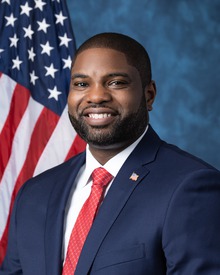
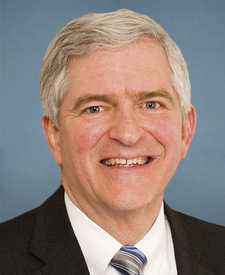



Legislative Progress
Passed HouseReceived; read twice and referred to the Committee on Environment …
Received in the Senate and Read twice and referred to …
Passed House (inferred from eh version)
Motion to reconsider laid on the table Agreed to without …
On motion to suspend the rules and pass the bill, …
Passed/agreed to in House: On motion to suspend the rules …
Considered as unfinished business. (consideration: CR H5101)
At the conclusion of debate, the Yeas and Nays were …
DEBATE - The House proceeded with forty minutes of debate …
Considered under suspension of the rules. (consideration: CR H5078-5080)
Stakeholder Effects
cui bono?How this legislation distributes effects. Mention counts reflect frequency, not effect magnitude.
House Natural Resources Committee, Senate EPW Committee, U.S. Fish and Wildlife Service
Positive-direction: House Natural Resources Committee, Senate EPW Committee
Negative-direction: U.S. Fish and Wildlife Service
State fish and wildlife agencies, State wildlife action plan teams
On Motion to Suspend the Rules and Pass, as Amended
Make SWAPs Efficient Act
Bill Structure & Actor Mappings
Who is "The Secretary" in each section?
- "swap"
- → State Wildlife Action Plan comprehensive plan submitted under Pittman-Robertson wildlife conservation and restoration provisions.
We use a combination of our own taxonomy and classification in addition to large language models to assess meaning and potential beneficiaries. High confidence means strong textual evidence. Always verify with the original bill text.
Learn more about our methodology