Community Reclamation Partnerships Act of 2025
Summary
What This Bill Does
The Community Reclamation Partnerships Act creates a state MOU pathway for abandoned mine drainage cleanup under the Surface Mining Control and Reclamation Act. A state with an approved reclamation program may enter a memorandum of understanding with relevant federal or state agencies to remediate mine drainage on abandoned mine land and waters affected by abandoned mines. The MOU must include water-quality improvement procedures, monitoring and sampling, reporting, operation and maintenance of treatment systems, public comment, at least one accessible public meeting, 15-day notice in local newspapers and online, responses to substantive public concerns, and approval or disapproval by the Interior Secretary and EPA Administrator within 120 days. The bill also creates Community Reclaimer partnerships: the Secretary must approve qualifying projects within 120 days if they are conducted by a Community Reclaimer or subcontractors, are consistent with the state MOU for mine drainage projects, are on inventoried abandoned mine sites, include engineering plans, owner/operator history, state-community agreements, technical and financial capacity, schedules, access agreements, contingency plans, public notice, and public meetings. States assume project costs or damages except for gross negligence or intentional misconduct by the Community Reclaimer. Limited reprocessing of historic mine residue is allowed only when approved by the land-management agency and proceeds defray remediation or reimburse agencies. The Act clarifies state liability for mine drainage projects, adds proposed Community Reclaimer projects to state reclamation plans, and sunsets on September 30, 2032.
Who Benefits and How
Communities near abandoned mines, downstream landowners, watershed organizations, state abandoned-mine land programs, Community Reclaimer organizations, conservation nonprofits, water-quality monitoring groups, professional engineering contractors, and historic mine-residue reprocessors benefit from a defined pathway to treat mine drainage and reclaim sites that may otherwise remain unfunded or legally risky. Public notice and meetings give residents affected by implementation a chance to comment before projects start.
Who Bears the Burden and How
State reclamation agencies, Department of the Interior mine-reclamation staff, EPA water-quality staff, Community Reclaimers, project-site owners, adjacent landowners, downstream landowners, mining companies with prior liability elsewhere, active mine operators with performance bonds, and federal land-management agencies must prepare MOUs, conduct monitoring and maintenance, assume or manage liability, document technical and financial capacity, obtain permits, respond to public concerns, approve reprocessing decisions, and administer the 2032 sunset.
Key Provisions
- Authorizes state MOUs with federal or state agencies for abandoned mine drainage remediation.
- Requires MOU procedures for water-quality improvement, monitoring, sampling, reporting, operation, maintenance, public comment, public meetings, and 120-day federal approval.
- Creates a Community Reclaimer project approval process for inventoried abandoned mine sites.
- Requires state agreements that assume costs or damages except for Community Reclaimer gross negligence or intentional misconduct.
- Allows limited reprocessing of historic mine residue when approved and when proceeds support remediation or agency reimbursement.
- Clarifies state liability, requires state plans to list Community Reclaimer projects, and sunsets the Act on September 30, 2032.
Evidence Chain:
This summary is generated from the full bill text using AI analysis. Expand "Detailed Analysis" below for identified beneficiaries/burden bearers with clause-level evidence links.
At a Glance
What This Bill Does
Amends the Surface Mining Control and Reclamation Act to let states with approved reclamation programs use federal-state MOUs for mine-drainage remediation, create Community Reclaimer project approvals with state-assumed liability and public notice requirements, allow limited historic mine-residue reprocessing, clarify state liability, require lists of proposed projects, and sunset the authority on September 30, 2032.
Key Policy Areas
Mining, Environmental Remediation, Water Quality
Primary Purpose
Amends the Surface Mining Control and Reclamation Act to let states with approved reclamation programs use federal-state MOUs for mine-drainage remediation, create Community Reclaimer project approvals with state-assumed liability and public notice requirements, allow limited historic mine-residue reprocessing, clarify state liability, require lists of proposed projects, and sunset the authority on September 30, 2032.
Policy Domains
Substantive provisions
Identified Gains
- Communities near abandoned mines
- Downstream landowners
- Watershed organizations
- State abandoned-mine land programs
- Community Reclaimer organizations
- Conservation nonprofits
- Professional engineering contractors
Identified Costs
- State reclamation agencies
- Department of the Interior mine-reclamation staff
- Environmental Protection Agency staff
- Community Reclaimers
- Project-site owners
- Adjacent landowners
- Mining companies
Sponsors
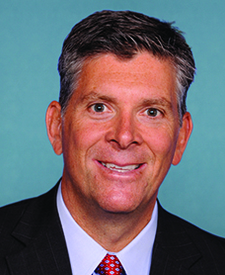
Legislative Progress
Passed HouseReceived; read twice and referred to the Committee on Energy …
Passed House (inferred from eh version)
Received in the Senate and Read twice and referred to …
Motion to reconsider laid on the table Agreed to without …
On motion to suspend the rules and pass the bill …
Passed/agreed to in House: On motion to suspend the rules …
DEBATE - The House proceeded with forty minutes of debate …
Considered under suspension of the rules. (consideration: CR H1970-1972)
Mr. Westerman moved to suspend the rules and pass the …
Mr. LaHood introduced the following bill; which was referred to …
Stakeholder Effects
cui bono?How this legislation distributes effects. Mention counts reflect frequency, not effect magnitude.
Department of the Interior mine-reclamation staff, Environmental Protection Agency staff
Bill Structure & Actor Mappings
Who is "The Secretary" in each section?
- "community_reclaimer"
- → A voluntary reclamation participant that did not create the abandoned mine conditions and is not subject to outstanding violations.
We use a combination of our own taxonomy and classification in addition to large language models to assess meaning and potential beneficiaries. High confidence means strong textual evidence. Always verify with the original bill text.
Learn more about our methodology