VSAFE Act of 2025
Summary
What This Bill Does
The VSAFE Act creates a Veterans Scam and Fraud Evasion Officer in the Department of Veterans Affairs. The officer is responsible for fraud and scam prevention, reporting, and incident-response plans and serves as a central point of contact directing veterans to resources that prevent or mitigate scams. The officer must communicate with VA employees and veterans, families, caregivers, and survivors during strategic or time-sensitive fraud incidents; set consistent guidance on identifying, reporting, and avoiding scams; promote the VSAFE Fraud Hotline and VSAFE.gov website; identify identity-theft resources; build fraud metrics for reporting, analytics, and trend identification; develop training plans for VA employees handling fraud inquiries; coordinate with the VA Inspector General and federal agencies including OMB, IRS, DOJ, State, CFPB, Defense, Education, and Social Security; and consult veterans service organizations and state, local, and tribal governments. The bill does not authorize additional VA full-time employees, preserves VA Inspector General authority, and in later versions terminates the VSAFE authority on September 30, 2030. It also extends specified VA home-loan fee or pension-payment dates by weeks or months depending on the version.
Who Benefits and How
Veterans benefit because VA must provide a central fraud-prevention contact, clearer reporting pathways, scam-avoidance guidance, and promotion of VSAFE hotline and website resources. Veterans' families, caregivers, and survivors benefit from communications during strategic and time-sensitive fraud incidents. VA employees who field fraud inquiries benefit from comprehensive training plans and consistent enterprise guidance. VA fraud analysts benefit from metrics, internal and external reporting, advanced analytics, and trend identification. Veterans service organizations and state, local, and tribal governments benefit from consultation channels for identifying fraud risks and prevention needs. Federal anti-fraud agencies benefit from a VA coordination point for whole-of-government fraud prevention.
Who Bears the Burden and How
The Department of Veterans Affairs must stand up the officer role, issue guidance, promote VSAFE resources, develop metrics and training, coordinate across agencies, and consult outside groups without additional full-time employee authority. The VA Inspector General and partner agencies such as IRS, DOJ, CFPB, Defense, Education, State, OMB, and Social Security must coordinate on fraud-prevention pathways. VA home-loan borrowers may be affected by extended fee dates in versions that modify section 3729(b)(2). VA pension recipients subject to section 5503 limits may be affected by short extensions of payment-limit dates. VA program offices bear implementation work while the bill preserves Inspector General independence and existing staffing caps.
Key Provisions
- Establishes a Veterans Scam and Fraud Evasion Officer inside the Department of Veterans Affairs.
- Directs the officer to run fraud prevention, reporting, incident response, and veteran resource coordination.
- Requires promotion of the VSAFE Fraud Hotline, VSAFE.gov, and identity-theft resources.
- Requires fraud metrics, advanced analytics, trend identification, and training plans for VA employees handling fraud inquiries.
- Requires coordination with the VA Inspector General and federal agencies including OMB, IRS, DOJ, State, CFPB, Defense, Education, and Social Security.
- Requires consultation with veterans service organizations and state, local, and tribal governments.
- Bars any increase in authorized VA full-time employees and preserves Inspector General authority.
- Extends specified VA home-loan fee or pension-payment dates in section 3729 or 5503.
Evidence Chain:
This summary is generated from the full bill text using AI analysis. Expand "Detailed Analysis" below for identified beneficiaries/burden bearers with clause-level evidence links.
At a Glance
What This Bill Does
Creates a Veterans Scam and Fraud Evasion Officer inside VA to coordinate fraud prevention, incident response, VSAFE hotline and website promotion, employee training, fraud metrics, interagency coordination, and veterans service organization consultation, while extending VA pension-payment and home-loan fee dates without increasing VA full-time employee authority.
Key Policy Areas
Veterans, Fraud Prevention, Government
Primary Purpose
Creates a Veterans Scam and Fraud Evasion Officer inside VA to coordinate fraud prevention, incident response, VSAFE hotline and website promotion, employee training, fraud metrics, interagency coordination, and veterans service organization consultation, while extending VA pension-payment and home-loan fee dates without increasing VA full-time employee authority.
Policy Domains
House resolution provisions
Identified Gains
- Veterans
- Veterans' families
- Veterans' caregivers
- Veterans' survivors
- VA employees handling fraud inquiries
- Veterans service organizations
- Federal anti-fraud agencies
Identified Costs
- Department of Veterans Affairs
- VA Office of Inspector General
- Federal partner agencies
- VA home-loan borrowers
- VA pension recipients
- VA program offices
Sponsors
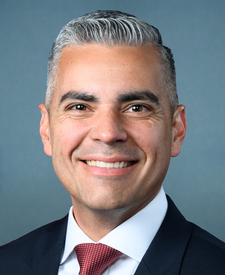
Legislative Progress
ReportedReceived; read twice and referred to the Committee on Veterans' …
Received in the Senate and Read twice and referred to …
Motion to reconsider laid on the table Agreed to without …
Motion to reconsider laid on the table Agreed to without …
On motion to suspend the rules and pass the bill, …
DEBATE - The House proceeded with forty minutes of debate …
Passed/agreed to in House: On motion to suspend the rules …
Considered under suspension of the rules. (consideration: CR H937-939)
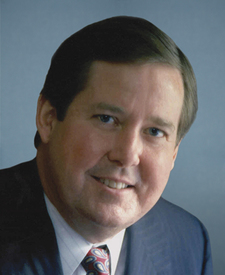
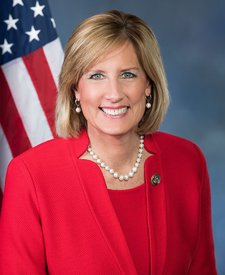
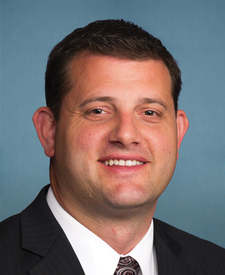
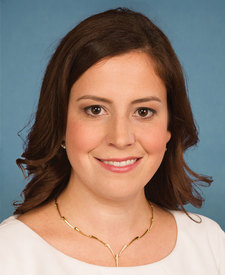
Additional sponsors: Ms. Stefanik, Mr. Barrett, Mr. Diaz-Balart, Ms. Tenney, …
Reported with an amendment, committed to the Committee of the …
Stakeholder Effects
cui bono?How this legislation distributes effects. Mention counts reflect frequency, not effect magnitude.
Department of Veterans Affairs, Veterans' families
Positive-direction: Veterans' families
Negative-direction: Department of Veterans Affairs
VA Office of Inspector General, VA employees handling fraud inquiries
Positive-direction: VA employees handling fraud inquiries
Negative-direction: VA Office of Inspector General
Bill Structure & Actor Mappings
Who is "The Secretary" in each section?
- "va"
- → Department of Veterans Affairs
- "oig"
- → VA Office of Inspector General
- "vsafe"
- → VSAFE Fraud Hotline and VSAFE.gov
We use a combination of our own taxonomy and classification in addition to large language models to assess meaning and potential beneficiaries. High confidence means strong textual evidence. Always verify with the original bill text.
Learn more about our methodology