SAFE Lending Act of 2025
Summary
What This Bill Does
The SAFE Lending Act is a broad small-dollar credit bill aimed at payday-style loans, lead generation, and payment-account control. It amends the Electronic Fund Transfer Act so remotely created checks may be issued only by a person designated in writing by the consumer and specifically provided to the consumer's bank. It amends the Truth in Lending Act to create a CFPB registration requirement for small-dollar consumer credit transactions of $5,000 or less, with CPI adjustments and coverage for brokers, arrangers, and application gatherers. It also restricts lead generators that handle sensitive financial information such as Social Security numbers, account numbers, routing numbers, bank account numbers, or access codes; those firms must identify themselves and cannot transfer the data without the consumer's express informed consent. GAO must study small-dollar credit availability and effects on members of Indian Tribes.
Who Benefits and How
Consumer borrowers benefit because lenders and payment processors need written account authorization for remotely created checks. Small-dollar loan applicants benefit from clearer lead-generator disclosures and consent rules before sensitive financial data is transferred. Indian Tribes benefit from a GAO study focused on credit availability and wealth effects on reservations. Bureau of Consumer Financial Protection staff benefit from a registration system for covered small-dollar lenders and brokers.
Who Bears the Burden and How
Small-dollar lenders must register with the CFPB and structure products around covered transaction definitions. Lead-generation companies must disclose contact information, domain registration information, and obtain informed consent before transferring sensitive data. Depository institutions must manage consumer designations for remotely created checks drawn on accounts. Government Accountability Office staff must study reservation credit access and consult financial, Tribal, and consumer agencies.
Key Provisions
- Requires written consumer designation before a remotely created check may be issued against a bank account.
- Creates CFPB registration for lenders and brokers of covered small-dollar consumer credit transactions.
- Requires lead generators to disclose identifying and service-of-process information.
- Bars transfer of sensitive personal financial information without express informed consumer consent.
- Directs GAO to study small-dollar credit availability and effects on members of Indian Tribes.
Evidence Chain:
This summary is generated from the full bill text using AI analysis. Expand "Detailed Analysis" below for identified beneficiaries/burden bearers with clause-level evidence links.
At a Glance
What This Bill Does
Regulates small-dollar lending by requiring consumer authorization for remotely created checks, CFPB registration for covered lenders, disclosures and consent limits for lead generators, and GAO study of small-dollar credit on Tribal reservations.
Key Policy Areas
Consumer Finance, Small-Dollar Lending, Tribal Affairs
Primary Purpose
Regulates small-dollar lending by requiring consumer authorization for remotely created checks, CFPB registration for covered lenders, disclosures and consent limits for lead generators, and GAO study of small-dollar credit on Tribal reservations.
Policy Domains
Resolution provisions
Identified Gains
- Consumer borrowers
- Small-dollar loan applicants
- Indian Tribes
- Bureau of Consumer Financial Protection
Identified Costs
- Small-dollar lenders
- Lead-generation companies
- Depository institutions
- Government Accountability Office
Sponsors
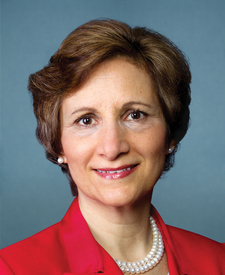

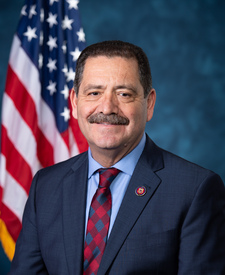
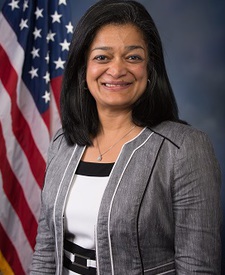
Legislative Progress
In CommitteeMs. Bonamici (for herself, Ms. Jayapal, and Ms. Schakowsky) introduced …
Referred to the House Committee on Financial Services.
Introduced in House
Stakeholder Effects
cui bono?How this legislation distributes effects. Mention counts reflect frequency, not effect magnitude.
Consumer borrowers, Small-dollar lenders, Small-dollar loan applicants
Positive-direction: Consumer borrowers, Small-dollar loan applicants
Negative-direction: Small-dollar lenders
Bureau of Consumer Financial Protection, Indian Tribes
Bill Structure & Actor Mappings
Who is "The Secretary" in each section?
We use a combination of our own taxonomy and classification in addition to large language models to assess meaning and potential beneficiaries. High confidence means strong textual evidence. Always verify with the original bill text.
Learn more about our methodology