PLUS for Veterans Act of 2025
Summary
What This Bill Does
The PLUS for Veterans Act changes the boundary between medical evidence work and paid claims representation before VA. It says administering a medical examination or completing the related report does not count as preparing, presenting, or prosecuting a VA benefits claim. It then rewrites recognition rules for agents and attorneys: applicants can submit recognition materials by mail, fax, or electronic means, and if VA cannot verify qualifications within 90 days, the person receives conditional temporary recognition for one-year periods. The bill also restores criminal penalties for charging unauthorized fees in connection with VA claims, requires VA to revoke conditional recognition when violations occur, and preempts inconsistent state law. The result is more room for medical exam providers to participate while tightening rules around paid claims agents and attorneys.
Who Benefits and How
Veterans filing disability claims benefit because medical examiners can complete reports without being treated as paid claims representatives. Medical examination providers benefit from clearer permission to perform exams and reports connected to VA claims. Accredited agents and attorneys benefit from an application process with deadlines and temporary recognition if VA verification is slow. Veterans service organizations benefit from restored penalties against unapproved fee-charging claims businesses.
Who Bears the Burden and How
Department of Veterans Affairs staff must process recognition applications, monitor temporary recognition, revoke violators, and enforce fee rules. Unauthorized claims consultants face fines, imprisonment, and loss of recognition for charging prohibited fees. State regulators lose room to apply inconsistent state rules to the federally defined claims-representation framework. Veterans may face risk from temporarily recognized agents before VA has completed full verification.
Key Provisions
- Requires VA to treat medical examinations and reports as separate from claims preparation or prosecution.
- Requires VA to accept agent and attorney recognition applications through several submission methods.
- Creates conditional temporary recognition when VA cannot verify qualifications within 90 days.
- Provides criminal penalties for unauthorized claims-related fees.
- Bars inconsistent state law from overriding the covered federal claims-representation rights.
Evidence Chain:
This summary is generated from the full bill text using AI analysis. Expand "Detailed Analysis" below for identified beneficiaries/burden bearers with clause-level evidence links.
At a Glance
What This Bill Does
Reforms veterans-benefit claims representation by excluding medical exams from claims preparation, requiring VA recognition procedures for agents and attorneys, restoring criminal penalties for unauthorized fees, and preempting inconsistent state law.
Key Policy Areas
Veterans, Legal Services, Health Care
Primary Purpose
Reforms veterans-benefit claims representation by excluding medical exams from claims preparation, requiring VA recognition procedures for agents and attorneys, restoring criminal penalties for unauthorized fees, and preempting inconsistent state law.
Policy Domains
Resolution provisions
Identified Gains
- Veterans filing disability claims
- Medical examination providers
- Accredited agents and attorneys
- Veterans service organizations
Identified Costs
- Department of Veterans Affairs staff
- Unauthorized claims consultants
- State regulators
- Veterans
Sponsors


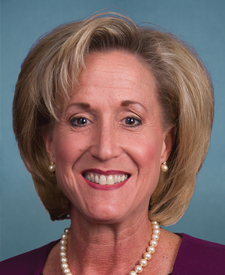
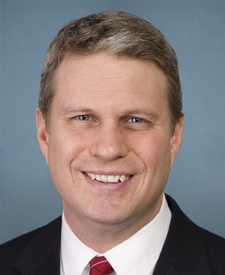
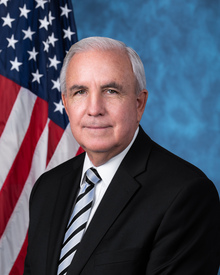
Legislative Progress
In CommitteeReferred to the Subcommittee on Disability Assistance and Memorial Affairs.
Mr. Bergman (for himself, Mr. Correa, Mrs. Miller-Meeks, Mr. Rouzer, …
Referred to the House Committee on Veterans' Affairs.
Introduced in House
Stakeholder Effects
cui bono?How this legislation distributes effects. Mention counts reflect frequency, not effect magnitude.
Accredited agents and attorneys, Unauthorized claims consultants
Positive-direction: Accredited agents and attorneys
Negative-direction: Unauthorized claims consultants
Bill Structure & Actor Mappings
Who is "The Secretary" in each section?
We use a combination of our own taxonomy and classification in addition to large language models to assess meaning and potential beneficiaries. High confidence means strong textual evidence. Always verify with the original bill text.
Learn more about our methodology