To amend the Internal Revenue Code of 1986 to allow a credit against tax for charitable donations to nonprofit organizations providing workforce training.
Summary
What This Bill Does
The bill creates short title This Act may be cited as the USA Workforce Tax Credit Act, creates tax credit for contributions to workforce development and apprenticeship training organizations Subpart A of part IV of subchapter A of chapter 1 of the Internal Revenue Code of 1986 is amended by inserting, and creates qualified Workforce Development and Apprenticeship Training Programs In the case of an individual, there shall be allowed as a credit against the tax imposed by this chapter for the taxable year an amount equal. It relies on tax credits, compliance mandates, definition changes, and grants. The main policy areas are Regulated Industries, Education, Housing, and Criminal Justice.
Who Benefits and How
Homeowners, tenants, or housing market participants affected by the bill could face lower compliance burdens, Educational institutions and students affected by the bill could face lower compliance burdens, and Public beneficiaries or protected communities affected by the clause could face reduced risk.
Who Bears the Burden and How
Federal, state, or local agencies responsible for implementing the clause would take on compliance duties, Homeowners, tenants, or housing market participants affected by the bill would take on compliance duties, and Educational institutions and students affected by the bill would take on compliance duties.
Key Provisions
- Creates short title This Act may be cited as the USA Workforce Tax Credit Act.
- Creates tax credit for contributions to workforce development and apprenticeship training organizations Subpart A of part IV of subchapter A of chapter 1 of the Internal Revenue Code of 1986 is amended by inserting...
- Creates qualified Workforce Development and Apprenticeship Training Programs In the case of an individual, there shall be allowed as a credit against the tax imposed by this chapter for the taxable year an amount equal...
- Creates 45BB. Contributions to workforce development or apprenticeship training organizations.
- Creates tax on failure to distribute receipts There is hereby imposed a tax on the failure of a workforce development or apprenticeship training organization (as defined in section 25F(c)) to make distributions in any...
Evidence Chain:
This summary is generated from the full bill text using AI analysis. Expand "Detailed Analysis" below for identified beneficiaries/burden bearers with clause-level evidence links.
At a Glance
What This Bill Does
The bill creates short title This Act may be cited as the USA Workforce Tax Credit Act, creates tax credit for contributions to workforce development and apprenticeship training organizations Subpart A of part IV of subchapter A of chapter 1 of the Internal Revenue Code of 1986 is amended by inserting, and creates qualified Workforce Development and Apprenticeship Training Programs In the case of an individual, there shall be allowed as a credit against the tax imposed by this chapter for the taxable year an amount equal.
Key Policy Areas
Regulated Industries, Education, Housing, Criminal Justice
Primary Purpose
The bill creates short title This Act may be cited as the USA Workforce Tax Credit Act, creates tax credit for contributions to workforce development and apprenticeship training organizations Subpart A of part IV of subchapter A of chapter 1 of the Internal Revenue Code of 1986 is amended by inserting, and creates qualified Workforce Development and Apprenticeship Training Programs In the case of an individual, there shall be allowed as a credit against the tax imposed by this chapter for the taxable year an amount equal.
Policy Domains
Whole bill
Identified Gains
- Homeowners, tenants, or housing market participants affected by the bill
- Educational institutions and students affected by the bill
- Public beneficiaries or protected communities affected by the clause
- Regulated entities and members of the public affected by the bill
- Law enforcement, justice-system actors, and affected communities
Identified Costs
- Federal, state, or local agencies responsible for implementing the clause
- Homeowners, tenants, or housing market participants affected by the bill
- Educational institutions and students affected by the bill
- Public beneficiaries or protected communities affected by the clause
Sponsors
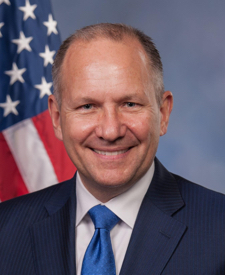
Legislative Progress
IntroducedMr. Smucker introduced the following bill; which was referred to …
Stakeholder Effects
cui bono?How this legislation distributes effects. Mention counts reflect frequency, not effect magnitude.
Law enforcement, justice-system actors, and affected communities
Bill Structure & Actor Mappings
Who is "The Secretary" in each section?
We use a combination of our own taxonomy and classification in addition to large language models to assess meaning and potential beneficiaries. High confidence means strong textual evidence. Always verify with the original bill text.
Learn more about our methodology