To establish the National Office of New Americans, to reduce obstacles to United States citizenship, to support the integration of immigrants into the social, cultural, economic, and civic life of the United States, and for other purposes.
Analysis under review: This bill has generated analysis that may be too generic or incomplete. Clause-level evidence remains available below.
Summary
What This Bill Does
This bill creates a National Office of New Americans within the Executive Office of the President to coordinate federal immigrant integration efforts. It establishes multiple grant programs for English language learning, workforce development, legal services, and citizenship preparation. The bill also streamlines the naturalization process by expanding waivers for English requirements, allowing high school graduates to satisfy civics requirements, and creating automatic voter registration for newly naturalized citizens.
Who Benefits and How
Immigrants and refugees benefit through expanded access to English language classes, legal services, workforce training, and citizenship assistance. Nonprofit organizations and community groups receive new federal grant funding to provide these services. State and local governments gain federal resources for immigrant integration programs. Refugees receive extended cash assistance for up to one year and case management services for 1-3 years.
Who Bears the Burden and How
DHS and USCIS face new administrative requirements including establishing the Proud to Be a Citizen outreach program, processing automatic voter registration, and implementing new fee structures. State election officials must create automatic voter registration systems for newly naturalized citizens and coordinate with DHS. The bill restricts how immigration fees can be spent, prohibiting their use for enforcement activities.
Key Provisions
- Creates National Office of New Americans and Federal Initiative on New Americans with Cabinet-level coordination
- Authorizes $100 million for Citizenship and Integration Grant Program
- Establishes automatic voter registration for newly naturalized citizens
- Expands English requirement waivers for seniors (ages 60-65+) seeking citizenship
- Extends refugee cash assistance and case management services to at least one year
Evidence Chain:
This summary is generated from the full bill text using AI analysis. Expand "Detailed Analysis" below for identified beneficiaries/burden bearers.
At a Glance
What This Bill Does
Establishes the National Office of New Americans and creates comprehensive programs to support immigrant integration, reduce obstacles to citizenship, and promote naturalization.
Key Policy Areas
Immigration, Citizenship, Education, Workforce Development, Refugee Resettlement, Legal Services
Primary Purpose
Establishes the National Office of New Americans and creates comprehensive programs to support immigrant integration, reduce obstacles to citizenship, and promote naturalization.
Policy Domains
Title I - National Office of New Americans
Identified Gains
Contextual inference, no direct clause citation- Immigrants and refugees
- Federal agencies coordinating immigrant services
Contextual inference, no direct clause citation
Identified Costs
Contextual inference, no direct clause citation- Executive Office of the President (administrative costs)
Contextual inference, no direct clause citation
Title V - General Provisions
Identified Gains
Contextual inference, no direct clause citation- Immigrants (privacy protection)
Contextual inference, no direct clause citation
Identified Costs
Contextual inference, no direct clause citation- Grant recipients (cannot require personal data sharing)
Contextual inference, no direct clause citation
Title II - English Learning, Integration, and Inclusion
Identified Gains
Contextual inference, no direct clause citation- Immigrants seeking English language skills
- Nonprofit legal service providers
- Community-based organizations
- Workforce development programs
Contextual inference, no direct clause citation
Identified Costs
Contextual inference, no direct clause citation- Federal government (grant funding)
- DHS (grant administration)
Contextual inference, no direct clause citation
Title IV - Refugee Integration and Inclusion
Identified Gains
Contextual inference, no direct clause citation- Refugees
- National resettlement agencies
- Nongovernmental organizations providing refugee services
Contextual inference, no direct clause citation
Identified Costs
Contextual inference, no direct clause citation- Office of Refugee Resettlement (expanded services)
- Federal government (increased funding)
Contextual inference, no direct clause citation
Title III - Reducing Barriers to Citizenship
Identified Gains
Contextual inference, no direct clause citation- Immigrants eligible for naturalization
- Senior immigrants (65+)
- U.S. high school graduates seeking citizenship
- Newly naturalized citizens
Contextual inference, no direct clause citation
Identified Costs
Contextual inference, no direct clause citation- USCIS (processing and fee restrictions)
- State election officials (automatic voter registration systems)
- DHS (data sharing with election officials)
Contextual inference, no direct clause citation
Sponsors
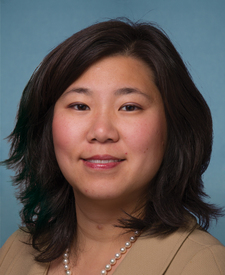
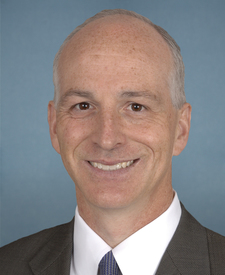
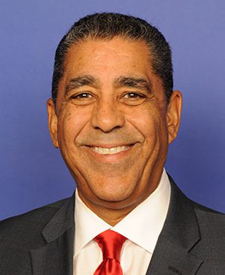
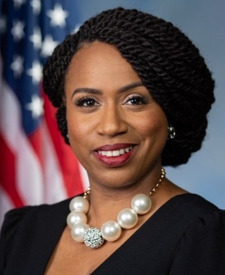
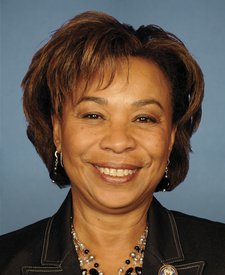
Legislative Progress
IntroducedMs. Meng (for herself, Mr. García of Illinois, Ms. Jayapal, …
Stakeholder Effects
cui bono?How this legislation distributes effects. Mention counts reflect frequency, not effect magnitude.
Family members of US citizens seeking immigration benefits, Immigrant US high school graduates seeking citizenship, Immigrants and refugees
Cabinet-level federal agencies, DHS, Executive Office of the President
Positive-direction: US Citizenship and Integration Foundation
Negative-direction: Cabinet-level federal agencies, DHS, Executive Office of the President, Federal government (budget), HHS Office of Refugee Resettlement, ICE and CBP, Office of Refugee Resettlement, USCIS, USCIS Office of Citizenship
Citizenship preparation program providers, Community-based organizations, Community-based organizations offering ESL
English language learning program providers, Pre-apprenticeship training providers, Workforce development organizations
State election officials, States and territories administering grant programs
Bill Structure & Actor Mappings
Who is "The Secretary" in each section?
- "the_office"
- → National Office of New Americans
- "the_director"
- → Director of the National Office of New Americans
- "the_secretary"
- → Secretary of Homeland Security
- "the_attorney_general"
- → Attorney General
- "the_assistant_secretaries"
- → Assistant Secretary for Career, Technical, and Adult Education (DOE) and Assistant Secretary for Employment and Training (DOL)
- "the_secretary"
- → Secretary of Homeland Security
- "the_attorney_general"
- → Attorney General
- "the_director"
- → Director of the Office of Refugee Resettlement
- "the_secretary"
- → Secretary of Health and Human Services (for refugee matters)
Note: 'The Secretary' refers to Secretary of Homeland Security in Titles II and III, but refers to Secretary of Health and Human Services in Title IV (refugee matters).
Key Definitions
Terms defined in this bill
An individual who is not a citizen or national of the United States, is present in the United States, and is in any status under the immigration laws or not in any status and intends to reside permanently in the United States
Has the meaning given the term in section 101(a) of the Immigration and Nationality Act (8 U.S.C. 1101(a))
The National Office of New Americans established by section 102(a)
The Director of the National Office of New Americans
The United States Citizenship and Integration Foundation established under section 207
Has the meaning given the term in section 101(a) of the Immigration and Nationality Act (8 U.S.C. 1101(a))
An individual who has an approved naturalization application, has taken the oath of allegiance, and has received a certificate of naturalization
A system developed by a State that registers all newly naturalized individuals to vote by transferring information from DHS to the State voter registration database, excluding those who decline or are ineligible
We use a combination of our own taxonomy and classification in addition to large language models to assess meaning and potential beneficiaries. High confidence means strong textual evidence. Always verify with the original bill text.
Learn more about our methodology