To amend title 17, United States Code, to reaffirm the importance of, and include requirements for, works incorporated by reference into law, and for other purposes.
Sponsors
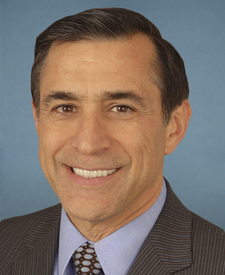
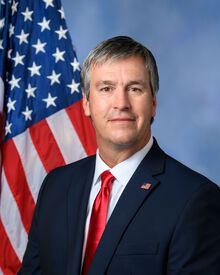
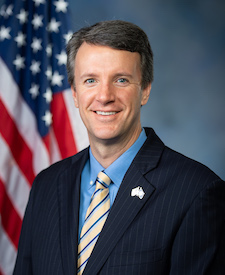
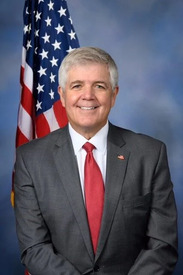
Legislative Progress
ReportedAdditional sponsors: Mr. Raskin, Ms. Titus, Mr. Nehls, Mr. Moran, …
Reported with an amendment, committed to the Committee of the …
Mr. Issa (for himself and Ms. Ross) introduced the following …
Summary
What This Bill Does
Balances copyright protection for privately-developed standards with public access when standards are incorporated into law. Affirms importance of voluntary consensus standards process.
Who Benefits and How
- Standards development organizations retain copyright protection
- Public gains reasonable access to incorporated standards
- Government continues using private standards without cost
Who Bears the Burden and How
- Standards organizations must provide some level of access
- Copyright holders face access requirements when incorporated into law
Key Provisions
- Finds voluntary consensus standards benefit innovation
- Recognizes SDO funding through standards sales
- Balances access with copyright protection
- References OMB Circular A-119 on standards incorporation
Evidence Chain:
This summary is derived from the structured analysis below. See "Detailed Analysis" for per-title beneficiaries/burden bearers with clause-level evidence links.
Primary Purpose
Protects copyright in standards incorporated by reference into law while ensuring public access
Policy Domains
Legislative Strategy
"Maintain standards development incentives while ensuring public access"
Bill Structure & Actor Mappings
Who is "The Secretary" in each section?
We use a combination of our own taxonomy and classification in addition to large language models to assess meaning and potential beneficiaries. High confidence means strong textual evidence. Always verify with the original bill text.
Learn more about our methodology