To allow States to elect to observe year-round daylight saving time, and for other purposes.
Analysis under review: This bill has generated analysis that may be too generic or incomplete. Clause-level evidence remains available below.
Summary
What This Bill Does
The bill exempts loosens a product standard, exemption provision: 1. Optional year-round application of daylight saving time Section 3(a) of the Uniform Time Act of 1966 (15 U.S.C. 260a) is amended— by inserting or may by law. It relies on product standards and exemptions. The main policy areas are Government Operations.
Who Benefits and How
The available clause analysis does not identify a specific beneficiary group.
Who Bears the Burden and How
No clear private burden is identified from the available clause analysis; implementing agencies may still take on administrative work.
Key Provisions
- Exempts loosens a product standard, exemption provision: 1. Optional year-round application of daylight saving time Section 3(a) of the Uniform Time Act of 1966 (15 U.S.C. 260a) is amended— by inserting or may by law...
Evidence Chain:
This summary is generated from the full bill text using AI analysis. Expand "Detailed Analysis" below for primary purpose and policy domains.
At a Glance
What This Bill Does
The bill exempts loosens a product standard, exemption provision: 1. Optional year-round application of daylight saving time Section 3(a) of the Uniform Time Act of 1966 (15 U.S.C. 260a) is amended— by inserting or may by law.
Key Policy Areas
Government Operations
Primary Purpose
The bill exempts loosens a product standard, exemption provision: 1. Optional year-round application of daylight saving time Section 3(a) of the Uniform Time Act of 1966 (15 U.S.C. 260a) is amended— by inserting or may by law.
Policy Domains
Sponsors
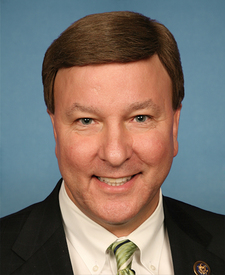
Legislative Progress
IntroducedMr. Rogers of Alabama introduced the following bill; which was …
Impact analysis is available but no clear stakeholder effects identified. View clause-level analysis →
Bill Structure & Actor Mappings
Who is "The Secretary" in each section?
- "federal_implementing_agencies"
- → Federal agencies assigned duties by the bill
We use a combination of our own taxonomy and classification in addition to large language models to assess meaning and potential beneficiaries. High confidence means strong textual evidence. Always verify with the original bill text.
Learn more about our methodology