To establish competitive Federal grants that will empower community colleges and minority-serving institutions to become incubators for infant and toddler child care talent, training, and access on their campuses and in their communities, and for other purposes.
Analysis under review: This bill has generated analysis that may be too generic or incomplete. Clause-level evidence remains available below.
Summary
What This Bill Does
The bill creates findings Congress finds the following: A child’s brain grows at a faster rate between birth and age 3 than at any later point in the child's lifetime, creates definitions In this title: The term community college means a public institution of higher education, as defined in section 101(a) of the Higher Education Act of 1965 (20 U.S.C, and provides authorization of appropriations There is authorized to be appropriated to carry out this title a total of $9,000,000,000 for fiscal years 2024 through 2028. It relies on grants, compliance mandates, reporting requirements, and definition changes. The main policy areas are Education, Housing, Environment, and Energy.
Who Benefits and How
Educational institutions and students affected by the bill could gain revenue opportunities, Homeowners, tenants, or housing market participants affected by the bill could gain revenue opportunities, and Environmental and public health interests affected by the bill could face lower compliance burdens.
Who Bears the Burden and How
Federal, state, or local agencies responsible for implementing the clause would take on compliance duties, Homeowners, tenants, or housing market participants affected by the bill could lose revenue opportunities, and Educational institutions and students affected by the bill could lose revenue opportunities.
Key Provisions
- Creates findings Congress finds the following: A child’s brain grows at a faster rate between birth and age 3 than at any later point in the child's lifetime.
- Creates definitions In this title: The term community college means a public institution of higher education, as defined in section 101(a) of the Higher Education Act of 1965 (20 U.S.C.
- Provides authorization of appropriations There is authorized to be appropriated to carry out this title a total of $9,000,000,000 for fiscal years 2024 through 2028.
- Creates program authorized From amounts made available under section 103, the Secretary shall award to eligible entities— planning grants under section 122.
- Creates application; selection criteria An eligible entity desiring a grant under subtitle B shall submit an application to the Secretary at such time, in such manner, and containing such information as the Secretary...
Evidence Chain:
This summary is generated from the full bill text using AI analysis. Expand "Detailed Analysis" below for identified beneficiaries/burden bearers with clause-level evidence links.
At a Glance
What This Bill Does
The bill creates findings Congress finds the following: A child’s brain grows at a faster rate between birth and age 3 than at any later point in the child's lifetime, creates definitions In this title: The term community college means a public institution of higher education, as defined in section 101(a) of the Higher Education Act of 1965 (20 U.S.C, and provides authorization of appropriations There is authorized to be appropriated to carry out this title a total of $9,000,000,000 for fiscal years 2024 through 2028.
Key Policy Areas
Education, Housing, Environment, Energy
Primary Purpose
The bill creates findings Congress finds the following: A child’s brain grows at a faster rate between birth and age 3 than at any later point in the child's lifetime, creates definitions In this title: The term community college means a public institution of higher education, as defined in section 101(a) of the Higher Education Act of 1965 (20 U.S.C, and provides authorization of appropriations There is authorized to be appropriated to carry out this title a total of $9,000,000,000 for fiscal years 2024 through 2028.
Policy Domains
Whole bill
Identified Gains
- Educational institutions and students affected by the bill
- Homeowners, tenants, or housing market participants affected by the bill
- Environmental and public health interests affected by the bill
- Public beneficiaries or protected communities affected by the clause
- Natural gas companies and customers affected by the bill
Identified Costs
- Federal, state, or local agencies responsible for implementing the clause
- Homeowners, tenants, or housing market participants affected by the bill
- Educational institutions and students affected by the bill
- Environmental and public health interests affected by the bill
- Tribal governments and members affected by the bill
Sponsors
Legislative Progress
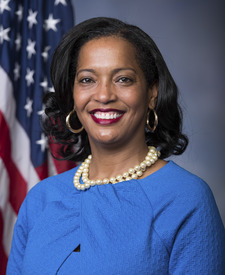
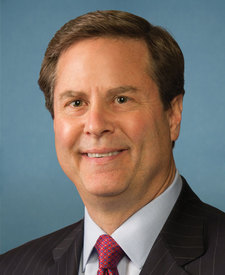
IntroducedMrs. Hayes (for herself and Mr. Norcross) introduced the following …
Impact analysis is available but no clear stakeholder effects identified. View clause-level analysis →
Bill Structure & Actor Mappings
Who is "The Secretary" in each section?
We use a combination of our own taxonomy and classification in addition to large language models to assess meaning and potential beneficiaries. High confidence means strong textual evidence. Always verify with the original bill text.
Learn more about our methodology