Promoting Access to Diabetic Shoes Act
Summary
What This Bill Does
The Promoting Access to Diabetic Shoes Act amends Medicare's coverage definition for certain shoes for individuals with diabetes. Current statutory language ties documentation to a physician. The bill inserts nurse practitioner and physician assistant alongside physician in the relevant subparagraphs, letting those practitioners satisfy documentation requirements for Medicare coverage of therapeutic shoes. The practical effect is to reduce paperwork bottlenecks for diabetic patients who receive routine care from nurse practitioners or physician assistants, especially in rural and primary-care shortage settings.
Who Benefits and How
Medicare beneficiaries with diabetes benefit because their nurse practitioner or physician assistant can complete required shoe documentation. Nurse practitioners benefit from authority to support Medicare therapeutic shoe coverage for patients they manage. Physician assistants benefit from parallel documentation authority for diabetic shoe coverage. Therapeutic shoe suppliers benefit if fewer claims are delayed waiting for physician-only paperwork.
Who Bears the Burden and How
CMS must update Medicare coverage guidance and claims documentation rules. Medicare contractors must accept documentation from nurse practitioners and physician assistants. Physicians may lose some gatekeeping role over diabetic shoe documentation. Program integrity staff must monitor expanded documentation authority for improper claims.
Key Provisions
- Adds nurse practitioners to Medicare diabetic shoe documentation rules.
- Adds physician assistants to the same coverage documentation authority.
- Expands who can satisfy Medicare requirements for therapeutic shoes for individuals with diabetes.
- Requires Medicare administrators to update claims and coverage guidance.
Evidence Chain:
This summary is generated from the full bill text using AI analysis. Expand "Detailed Analysis" below for identified beneficiaries/burden bearers with clause-level evidence links.
At a Glance
What This Bill Does
Allows nurse practitioners and physician assistants, not only physicians, to satisfy Medicare documentation requirements for therapeutic shoes for individuals with diabetes.
Key Policy Areas
Medicare, Diabetes, Podiatry
Primary Purpose
Allows nurse practitioners and physician assistants, not only physicians, to satisfy Medicare documentation requirements for therapeutic shoes for individuals with diabetes.
Policy Domains
Resolution provisions
Identified Gains
- Medicare beneficiaries with diabetes
- Nurse practitioners
- Physician assistants
- Therapeutic shoe suppliers
Identified Costs
- CMS
- Medicare contractors
- Physicians
- Program integrity staff
Sponsors


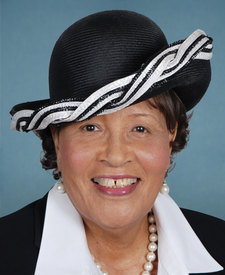

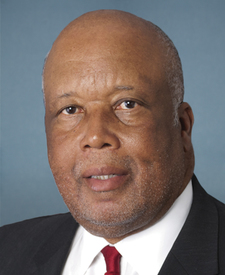
Legislative Progress
In CommitteeMr. LaHood (for himself and Ms. Barragán) introduced the following …
Referred to the Committee on Energy and Commerce, and in …
Introduced in House
Stakeholder Effects
cui bono?How this legislation distributes effects. Mention counts reflect frequency, not effect magnitude.
Nurse practitioners, Physician assistants, Therapeutic shoe suppliers
Bill Structure & Actor Mappings
Who is "The Secretary" in each section?
We use a combination of our own taxonomy and classification in addition to large language models to assess meaning and potential beneficiaries. High confidence means strong textual evidence. Always verify with the original bill text.
Learn more about our methodology