To amend title 5, United States Code, to clarify the nature of judicial review of agency interpretations of statutory and regulatory provisions.
Legislative Progress
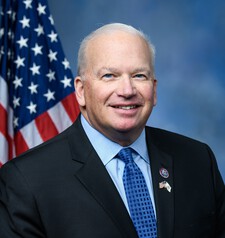
IntroducedMr. Fitzgerald introduced the following bill; which was referred to …
Summary
What This Bill Does
The Separation of Powers Restoration Act (SOPRA) changes how federal courts review government agency decisions about what laws and regulations mean. Currently, under a legal principle called "Chevron deference," judges often defer to agencies' interpretations of ambiguous laws. This bill requires courts to make their own independent judgments without giving special weight to what agencies think the law means.
Who Benefits and How
Companies and industries facing federal regulations benefit significantly. When businesses challenge EPA environmental rules, SEC financial regulations, OSHA workplace safety standards, or FDA drug approvals in court, judges will no longer automatically defer to the agency's interpretation. This makes it easier for regulated companies to win legal challenges and potentially overturn or weaken agency rules. Trade associations, business groups, and anti-regulatory advocates also gain a powerful new tool to fight agency actions in court.
Who Bears the Burden and How
Federal agencies like the EPA, SEC, OSHA, and FDA face higher legal costs and must defend their regulations without the benefit of judicial deference they previously enjoyed. Agency lawyers will need to litigate more cases and may lose more often, potentially undermining their ability to enforce environmental, financial, workplace safety, and consumer protection laws. Environmental groups, consumer advocates, labor unions, and public health organizations that rely on strong agency authority to protect the public will see regulatory protections weakened.
Key Provisions
• Amends Section 706 of the Administrative Procedure Act to require "de novo" (fresh, independent) judicial review of all questions of law
• Eliminates judicial deference to agency interpretations of statutes and regulations
• Applies to all judicial review proceedings across all federal agencies with no exceptions
• Effectively overturns the Supreme Court's Chevron doctrine legislatively rather than waiting for the courts to reconsider it
Evidence Chain:
This summary is derived from the structured analysis below. See "Detailed Analysis" for per-title beneficiaries/burden bearers with clause-level evidence links.
Primary Purpose
Overturns Chevron deference by requiring courts to independently interpret statutes and regulations without deferring to agency interpretations
Policy Domains
Legislative Strategy
"Shifts power from executive branch agencies to judicial branch by eliminating judicial deference to agency statutory interpretations, effectively overturning the Chevron doctrine legislatively"
Likely Beneficiaries
- Regulated industries challenging agency rules
- Conservative legal groups
- Businesses facing EPA/OSHA/SEC regulations
- Anti-regulatory advocates
Likely Burden Bearers
- Federal regulatory agencies (EPA, SEC, OSHA, FDA, etc.)
- Agency legal staff
- Environmental and consumer protection advocates who rely on strong agency authority
Bill Structure & Actor Mappings
Who is "The Secretary" in each section?
- "the_reviewing_court"
- → Federal courts conducting judicial review of agency actions
Key Definitions
Terms defined in this bill
Courts must independently decide questions of law without deferring to agency interpretations - a departure from Chevron deference doctrine
We use a combination of our own taxonomy and classification in addition to large language models to assess meaning and potential beneficiaries. High confidence means strong textual evidence. Always verify with the original bill text.
Learn more about our methodology