Farm and Food Cybersecurity Act of 2025
Summary
What This Bill Does
The Farm and Food Cybersecurity Act focuses on agriculture and food as critical infrastructure. The Agriculture Secretary must conduct a biennial risk assessment of cybersecurity threats and vulnerabilities in the agriculture and food sector, including cyberattacks and incidents, potential effects on food safety, availability, the economy, public health, and national security, current readiness of federal, state, local, and private entities, existing policies and best practices, and gaps or opportunities for improving defenses. The Secretary must also coordinate with Homeland Security, HHS, the Director of National Intelligence, and other agencies to conduct annual cross-sector crisis simulation exercises for five years. Those exercises assess preparedness for food emergencies or disruptions, identify supply-chain and infrastructure vulnerabilities, improve coordination and information sharing, evaluate policies and resources, and develop best practices.
Who Benefits and How
Food producers benefit from federal analysis of cyber threats that could disrupt production, processing, and distribution. Agricultural cooperatives benefit if risk assessments and exercises identify practical cybersecurity gaps in the food supply chain. State agriculture agencies benefit from shared preparedness information and best practices for food-related cyber emergencies. Consumers benefit if stronger cyber resilience reduces risk to food safety, availability, and public health.
Who Bears the Burden and How
The Department of Agriculture must run biennial risk assessments and coordinate annual simulation exercises. The Department of Homeland Security must support cross-sector cyber and critical-infrastructure exercises. Food companies may need to participate in simulations, share information, and adjust cybersecurity practices. State and local agencies must coordinate with federal partners on food emergency preparedness and response.
Key Provisions
- Requires biennial cybersecurity risk assessments for the agriculture and food critical infrastructure sector.
- Directs annual food security and cyber resilience simulation exercises over five years.
- Requires coordination with DHS, HHS, the Director of National Intelligence, and other agencies.
- Creates best-practice and recommendation development for food supply chain resilience.
Evidence Chain:
This summary is generated from the full bill text using AI analysis. Expand "Detailed Analysis" below for identified beneficiaries/burden bearers with clause-level evidence links.
At a Glance
What This Bill Does
Requires biennial USDA cybersecurity risk assessments for the agriculture and food critical infrastructure sector and annual cross-sector food security and cyber resilience simulation exercises over five years.
Key Policy Areas
Agriculture, Cybersecurity, Food Supply
Primary Purpose
Requires biennial USDA cybersecurity risk assessments for the agriculture and food critical infrastructure sector and annual cross-sector food security and cyber resilience simulation exercises over five years.
Policy Domains
Resolution provisions
Identified Gains
- Food producers
- Agricultural cooperatives
- State agriculture agencies
- Consumers
Identified Costs
- Department of Agriculture
- Department of Homeland Security
- Food companies
- State agencies
Sponsors

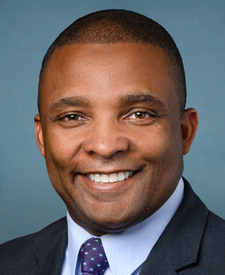


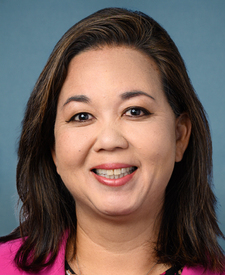
Legislative Progress
In CommitteeReferred to the Subcommittee on Nutrition and Foreign Agriculture.
Mr. Finstad (for himself, Ms. Tokuda, Mr. Bacon, and Ms. …
Referred to the House Committee on Agriculture.
Introduced in House
Stakeholder Effects
cui bono?How this legislation distributes effects. Mention counts reflect frequency, not effect magnitude.
Department of Agriculture, Department of Homeland Security
Bill Structure & Actor Mappings
Who is "The Secretary" in each section?
We use a combination of our own taxonomy and classification in addition to large language models to assess meaning and potential beneficiaries. High confidence means strong textual evidence. Always verify with the original bill text.
Learn more about our methodology