To provide grants to States to ensure that all students in the middle grades are taught an academically rigorous curriculum with effective supports so that students complete the middle grades prepared for success in secondary school and postsecondary endeavors, to improve State and local educational agency policies and programs relating to the academic achievement of students in the middle grades, to develop and implement effective middle grades models for struggling students, and for other purposes.
Analysis under review: This bill has generated analysis that may be too generic or incomplete. Clause-level evidence remains available below.
Summary
What This Bill Does
The bill provides findings Congress finds the following: Research shows that Federal funding for students in middle school and high school, particularly grades 6 through 12, is significantly lower than funding for elementary, requires definitions In this Act: The terms educational service agency, elementary school, English learner, evidence-based, local educational agency, outlying area, high school, secondary school, and State educational, and creates purposes The purposes of this title are to— develop middle grade students' social, emotional, and academic competencies and deep content knowledge to ensure they are equipped to think critically, solve problems. It relies on compliance mandates, reporting requirements, grants, and appropriations. The main policy areas are Education, Environment, Housing, and Transportation.
Who Benefits and How
Environmental and public health interests affected by the bill could gain revenue opportunities, Educational institutions and students affected by the bill could gain revenue opportunities, and Public beneficiaries or protected communities affected by the clause could face reduced risk.
Who Bears the Burden and How
Federal, state, or local agencies responsible for implementing the clause would take on compliance duties, Environmental and public health interests affected by the bill would take on compliance duties, and Educational institutions and students affected by the bill would take on compliance duties.
Key Provisions
- Provides findings Congress finds the following: Research shows that Federal funding for students in middle school and high school, particularly grades 6 through 12, is significantly lower than funding for elementary...
- Requires definitions In this Act: The terms educational service agency, elementary school, English learner, evidence-based, local educational agency, outlying area, high school, secondary school, and State educational...
- Creates purposes The purposes of this title are to— develop middle grade students' social, emotional, and academic competencies and deep content knowledge to ensure they are equipped to think critically, solve problems...
- Creates formula grants to State educational agencies for middle grades improvement From amounts appropriated under section 107, the Secretary shall make grants under this title for a fiscal year to each State...
- Creates state plan; authorized activities A State educational agency that receives a grant under this title shall use the grant funds— to prepare and implement the needs analysis and middle grades improvement plan...
Evidence Chain:
This summary is generated from the full bill text using AI analysis. Expand "Detailed Analysis" below for identified beneficiaries/burden bearers with clause-level evidence links.
At a Glance
What This Bill Does
The bill provides findings Congress finds the following: Research shows that Federal funding for students in middle school and high school, particularly grades 6 through 12, is significantly lower than funding for elementary, requires definitions In this Act: The terms educational service agency, elementary school, English learner, evidence-based, local educational agency, outlying area, high school, secondary school, and State educational, and creates purposes The purposes of this title are to— develop middle grade students' social, emotional, and academic competencies and deep content knowledge to ensure they are equipped to think critically, solve problems.
Key Policy Areas
Education, Environment, Housing, Transportation
Primary Purpose
The bill provides findings Congress finds the following: Research shows that Federal funding for students in middle school and high school, particularly grades 6 through 12, is significantly lower than funding for elementary, requires definitions In this Act: The terms educational service agency, elementary school, English learner, evidence-based, local educational agency, outlying area, high school, secondary school, and State educational, and creates purposes The purposes of this title are to— develop middle grade students' social, emotional, and academic competencies and deep content knowledge to ensure they are equipped to think critically, solve problems.
Policy Domains
Whole bill
Identified Gains
- Environmental and public health interests affected by the bill
- Educational institutions and students affected by the bill
- Public beneficiaries or protected communities affected by the clause
- Transportation operators and users affected by the bill
- Homeowners, tenants, or housing market participants affected by the bill
Identified Costs
- Federal, state, or local agencies responsible for implementing the clause
- Environmental and public health interests affected by the bill
- Educational institutions and students affected by the bill
- Transportation operators and users affected by the bill
- Homeowners, tenants, or housing market participants affected by the bill
Sponsors
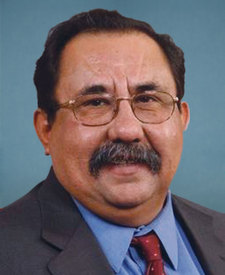
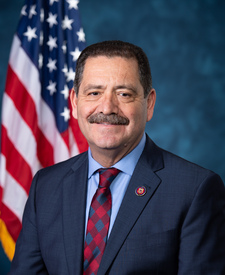
Legislative Progress
IntroducedMr. Grijalva (for himself and Mr. García of Illinois) introduced …
Stakeholder Effects
cui bono?How this legislation distributes effects. Mention counts reflect frequency, not effect magnitude.
Law enforcement, justice-system actors, and affected communities
Bill Structure & Actor Mappings
Who is "The Secretary" in each section?
We use a combination of our own taxonomy and classification in addition to large language models to assess meaning and potential beneficiaries. High confidence means strong textual evidence. Always verify with the original bill text.
Learn more about our methodology