To amend the National Environmental Policy Act of 1969 to clarify ambiguous provisions, reflect modern technologies, optimize interagency coordination, and facilitate a more efficient, effective, and timely environmental review process.
Summary
What This Bill Does
The bill creates national Environmental Policy Act of 1969 Section 102(2) of the National Environmental Policy Act of 1969 (42 U.S.C, requires procedure for determination of level of review An agency is not required to prepare an environmental document with respect to a proposed agency action if— the proposed agency action is not a final agency action, and provides timely and unified Federal reviews If there are two or more involved Federal agencies, such agencies shall determine, by letter or memorandum, which agency shall be the lead agency based on consideration of. It relies on reporting requirements, compliance mandates, appropriations, and definition changes. The main policy areas are Native American Tribes, Environment, Civil Rights, and Agriculture.
Who Benefits and How
Environmental and public health interests affected by the bill could face lower compliance burdens, Public beneficiaries or protected communities affected by the clause could face reduced risk, and Tribal governments and members affected by the bill could face lower compliance burdens.
Who Bears the Burden and How
Federal, state, or local agencies responsible for implementing the clause would take on compliance duties, Environmental and public health interests affected by the bill would take on compliance duties, and Tribal governments and members affected by the bill would take on compliance duties.
Key Provisions
- Creates national Environmental Policy Act of 1969 Section 102(2) of the National Environmental Policy Act of 1969 (42 U.S.C.
- Requires procedure for determination of level of review An agency is not required to prepare an environmental document with respect to a proposed agency action if— the proposed agency action is not a final agency action...
- Provides timely and unified Federal reviews If there are two or more involved Federal agencies, such agencies shall determine, by letter or memorandum, which agency shall be the lead agency based on consideration of...
- Requires judicial review Notwithstanding any other provision of law, a claim arising under Federal law seeking judicial review of compliance with this Act, of a determination made under this Act, or of Federal action...
- Creates definitions In this title: The term categorical exclusion means a category of actions that a Federal agency has determined normally does not significantly affect the quality of the human environment within...
Evidence Chain:
This summary is generated from the full bill text using AI analysis. Expand "Detailed Analysis" below for identified beneficiaries/burden bearers with clause-level evidence links.
At a Glance
What This Bill Does
The bill creates national Environmental Policy Act of 1969 Section 102(2) of the National Environmental Policy Act of 1969 (42 U.S.C, requires procedure for determination of level of review An agency is not required to prepare an environmental document with respect to a proposed agency action if— the proposed agency action is not a final agency action, and provides timely and unified Federal reviews If there are two or more involved Federal agencies, such agencies shall determine, by letter or memorandum, which agency shall be the lead agency based on consideration of.
Key Policy Areas
Native American Tribes, Environment, Civil Rights, Agriculture
Primary Purpose
The bill creates national Environmental Policy Act of 1969 Section 102(2) of the National Environmental Policy Act of 1969 (42 U.S.C, requires procedure for determination of level of review An agency is not required to prepare an environmental document with respect to a proposed agency action if— the proposed agency action is not a final agency action, and provides timely and unified Federal reviews If there are two or more involved Federal agencies, such agencies shall determine, by letter or memorandum, which agency shall be the lead agency based on consideration of.
Policy Domains
Whole bill
Identified Gains
- Environmental and public health interests affected by the bill
- Public beneficiaries or protected communities affected by the clause
- Tribal governments and members affected by the bill
- Telecommunications providers and users affected by the bill
- Electric utilities and power customers affected by the bill
Identified Costs
- Federal, state, or local agencies responsible for implementing the clause
- Environmental and public health interests affected by the bill
- Tribal governments and members affected by the bill
- Researchers and scientific institutions affected by the bill
- Financial services firms and customers affected by the bill
Sponsors
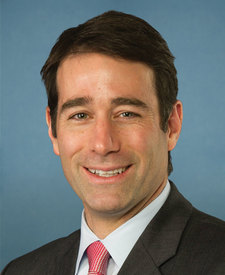
Legislative Progress
IntroducedMr. Graves of Louisiana introduced the following bill; which was …
Impact analysis is available but no clear stakeholder effects identified. View clause-level analysis →
Bill Structure & Actor Mappings
Who is "The Secretary" in each section?
We use a combination of our own taxonomy and classification in addition to large language models to assess meaning and potential beneficiaries. High confidence means strong textual evidence. Always verify with the original bill text.
Learn more about our methodology