Protecting American Agriculture from Foreign Adversaries Act of 2025
Summary
What This Bill Does
The Protecting American Agriculture from Foreign Adversaries Act amends the Defense Production Act's CFIUS framework. The Secretary of Agriculture becomes a Committee on Foreign Investment in the United States member for covered transactions involving agricultural land, agricultural biotechnology, or the agriculture industry, including agricultural transportation, storage, and processing. The bill also requires CFIUS, after receiving USDA notification of a reportable agricultural land transaction, to determine whether the transaction is covered and whether to initiate review or take another authorized action. The policy goal is to put USDA expertise into national-security review when foreign investment touches farmland, biotech, food supply chains, or agricultural infrastructure.
Who Benefits and How
U.S. farmers benefit if agricultural land transactions involving foreign buyers receive more specialized national-security review. Agricultural biotechnology companies benefit from USDA expertise in CFIUS reviews involving sensitive ag-biotech assets. Food supply chain operators benefit if storage, processing, and transportation transactions are screened for national-security risk. The Department of Agriculture benefits from a formal seat in CFIUS decisions affecting agriculture.
Who Bears the Burden and How
Foreign investors in agricultural land face more review risk after USDA notifies CFIUS of reportable transactions. CFIUS member agencies must evaluate more agriculture-linked transactions and decide whether to initiate reviews. The Department of Agriculture must identify and notify reportable agricultural land transactions. Agricultural real estate sellers may face delayed or more uncertain transactions involving foreign buyers.
Key Provisions
- Adds the Secretary of Agriculture to CFIUS for covered agriculture-linked transactions.
- Includes agricultural land, agricultural biotechnology, transportation, storage, and processing.
- Requires CFIUS to assess reportable agricultural land transactions after USDA notification.
- Authorizes CFIUS review or other action when a reportable agricultural transaction is covered.
Evidence Chain:
This summary is generated from the full bill text using AI analysis. Expand "Detailed Analysis" below for identified beneficiaries/burden bearers with clause-level evidence links.
At a Glance
What This Bill Does
Adds the Secretary of Agriculture to CFIUS for transactions involving agricultural land, agricultural biotechnology, or the agriculture industry, and requires CFIUS consideration of reportable agricultural land transactions after USDA notification.
Key Policy Areas
Agriculture, National Security, Foreign Investment
Primary Purpose
Adds the Secretary of Agriculture to CFIUS for transactions involving agricultural land, agricultural biotechnology, or the agriculture industry, and requires CFIUS consideration of reportable agricultural land transactions after USDA notification.
Policy Domains
Resolution provisions
Identified Gains
- U.S. farmers
- Agricultural biotechnology companies
- Food supply chain operators
- Department of Agriculture
Identified Costs
- Foreign investors
- CFIUS agencies
- Department of Agriculture
- Agricultural land sellers
Sponsors


Legislative Progress
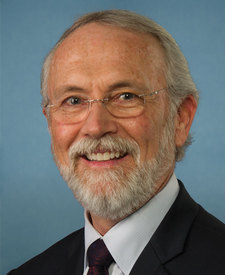
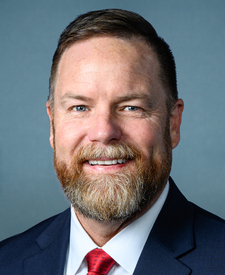
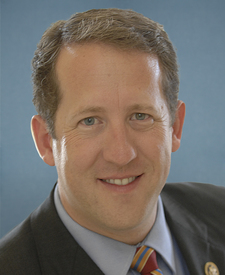
In CommitteeMr. Newhouse (for himself, Mr. Meuser, Mr. Guest, Mr. Latta, …
Referred to the Committee on Financial Services, and in addition …
Introduced in House
Stakeholder Effects
cui bono?How this legislation distributes effects. Mention counts reflect frequency, not effect magnitude.
Agricultural land sellers, U.S. farmers
Positive-direction: U.S. farmers
Negative-direction: Agricultural land sellers
CFIUS agencies, Department of Agriculture
Bill Structure & Actor Mappings
Who is "The Secretary" in each section?
We use a combination of our own taxonomy and classification in addition to large language models to assess meaning and potential beneficiaries. High confidence means strong textual evidence. Always verify with the original bill text.
Learn more about our methodology