To establish the African Burial Ground International Memorial Museum and Educational Center in New York, New York, and for other purposes.
Analysis under review: This bill has generated analysis that may be too generic or incomplete. Clause-level evidence remains available below.
Summary
What This Bill Does
This bill creates the African Burial Ground International Memorial Museum and Educational Center at the existing African Burial Ground National Monument in Lower Manhattan. The site contains the remains of up to 20,000 enslaved Africans and early-generation African Americans from the colonial era. The museum will serve as a permanent memorial, educational facility, and research center examining the institution of slavery and African cultural traditions.
Who Benefits and How
The National Park Service receives authority and funding to acquire property, construct, and operate the new museum, with $15 million authorized for fiscal year 2025. The Smithsonian Institution and National Museum of African American History and Culture benefit through formal collaboration agreements for exhibits, collections, and professional training. Historically Black colleges and universities and educational institutions gain partnership opportunities for curriculum development and research. The African Burial Ground Memorial Foundation and similar organizations are specifically named as key partners in the museum governance and operations.
Who Bears the Burden and How
Federal taxpayers bear the cost through appropriations, with the Secretary paying 2/3 of all acquisition and construction costs. The General Services Administration must assist with property acquisition and agreements. No private entities face new regulatory burdens - this is primarily an appropriations and establishment bill creating a memorial institution.
Key Provisions
- Establishes an Advisory Council of 14+ appointed members to guide museum operations
- Authorizes the Secretary to acquire property at 22 Reade Street (adjacent to the National Monument) for the museum
- Creates positions for a Museum Director and 2 staff exempt from normal civil service hiring rules
- Requires the museum to become associated with the Smithsonian National Museum of African American History and Culture
Evidence Chain:
This summary is generated from the full bill text using AI analysis. Expand "Detailed Analysis" below for identified beneficiaries/burden bearers.
At a Glance
What This Bill Does
Establishes the African Burial Ground International Memorial Museum and Educational Center at the African Burial Ground National Monument in New York City to honor enslaved Africans and African Americans from the colonial era.
Key Policy Areas
Cultural Heritage, Museums, National Parks, Education, Historic Preservation
Primary Purpose
Establishes the African Burial Ground International Memorial Museum and Educational Center at the African Burial Ground National Monument in New York City to honor enslaved Africans and African Americans from the colonial era.
Policy Domains
African Burial Ground International Memorial Museum and Educational Center Act
Identified Gains
Contextual inference, no direct clause citation- National Park Service
- Smithsonian Institution
- Historically Black colleges and universities
- African Burial Ground Memorial Foundation
- Museum and education professionals
Contextual inference, no direct clause citation
Identified Costs
Contextual inference, no direct clause citation- Federal taxpayers
- General Services Administration
Contextual inference, no direct clause citation
Sponsors
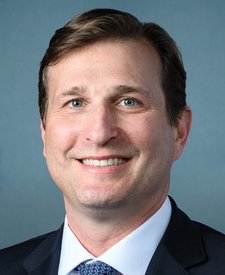
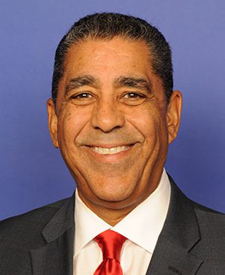
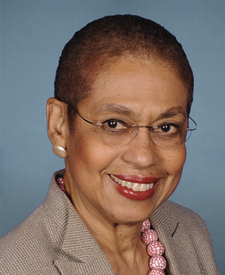
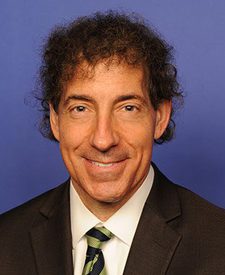
Legislative Progress
IntroducedMr. Goldman of New York (for himself, Mr. Espaillat, Mr. …
Stakeholder Effects
cui bono?How this legislation distributes effects. Mention counts reflect frequency, not effect magnitude.
Department of the Interior, Department of the Interior and National Park Service, General Services Administration
Positive-direction: National Park Service
Negative-direction: Department of the Interior, General Services Administration
General public interested in African American history, Museum professionals and directors, Smithsonian Institution and National Museum of African American History
Bill Structure & Actor Mappings
Who is "The Secretary" in each section?
- "the_secretary"
- → Secretary of the Interior, acting through the Director of the National Park Service
- "the_administrator"
- → Administrator of the General Services Administration
- "the_advisory_council"
- → African Burial Ground Advisory Council
Key Definitions
Terms defined in this bill
The Administrator of the General Services Administration
The African Burial Ground Advisory Council established by section 7(a)
The African Burial Ground International Memorial Museum and Educational Center established by section 4(a)
The Secretary of the Interior, acting through the Director of the National Park Service
We use a combination of our own taxonomy and classification in addition to large language models to assess meaning and potential beneficiaries. High confidence means strong textual evidence. Always verify with the original bill text.
Learn more about our methodology