Postal Supervisors and Managers Fairness Act of 2025
Summary
What This Bill Does
The Postal Supervisors and Managers Fairness Act of 2025 changes how the United States Postal Service negotiates pay and benefits for supervisory and managerial employees. The local database has no clause text for this row, so this analysis is grounded in public bill references describing the introduced bill. USPS would have to present written proposals to the recognized supervisors' organization when pay policies, pay schedules, or fringe-benefit changes are under consideration. If negotiations reach an impasse, the fact-finding or dispute-resolution panel's final determination would be binding rather than merely advisory. The bill is meant to give the National Association of Postal Supervisors, United Postmasters and Managers of America, postal supervisors, and postal managers more leverage and predictability in compensation consultations with USPS headquarters.
Who Benefits and How
Postal supervisors benefit because USPS must provide written pay and benefits proposals rather than relying on informal consultation. Postal managers benefit because binding dispute-resolution determinations give their organization stronger leverage after an impasse. The National Association of Postal Supervisors benefits from a more structured statutory negotiation process. United Postmasters and Managers of America members benefit if pay and benefit decisions become more transparent and enforceable.
Who Bears the Burden and How
United States Postal Service headquarters loses unilateral flexibility over supervisory pay and benefit decisions after dispute-resolution panel action. Postal labor relations offices must prepare written proposals, support negotiations, and comply with binding determinations. Dispute-resolution panels must issue determinations that have binding effect rather than advisory weight. Postal ratepayers or taxpayers may bear costs if binding outcomes increase compensation expenses.
Key Provisions
- Requires USPS to provide written proposals on supervisory pay policies, schedules, and fringe benefits.
- Creates a stronger consultation process with the recognized supervisors' organization.
- Makes dispute-resolution panel determinations binding after an impasse.
- Limits USPS ability to disregard panel recommendations in supervisory and managerial compensation disputes.
Evidence Chain:
This summary is generated from the full bill text using AI analysis. Expand "Detailed Analysis" below for identified beneficiaries/burden bearers.
At a Glance
What This Bill Does
Reforms Postal Service pay and benefits consultations for supervisory and managerial personnel by requiring written proposals and making dispute-resolution panel determinations binding.
Key Policy Areas
Postal Service, Labor Relations, Federal Workforce
Primary Purpose
Reforms Postal Service pay and benefits consultations for supervisory and managerial personnel by requiring written proposals and making dispute-resolution panel determinations binding.
Policy Domains
Resolution provisions
Identified Gains
Contextual inference, no direct clause citation- Postal supervisors
- Postal managers
- National Association of Postal Supervisors
- United Postmasters and Managers of America
Contextual inference, no direct clause citation
Identified Costs
Contextual inference, no direct clause citation- United States Postal Service
- Postal labor relations offices
- Dispute-resolution panels
- Postal ratepayers
Contextual inference, no direct clause citation
Sponsors
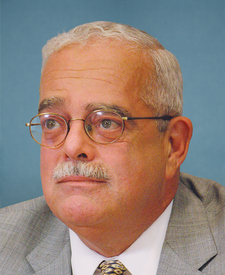
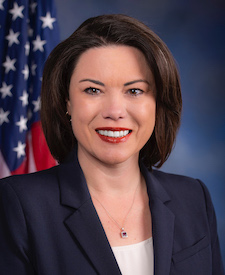



Legislative Progress
In CommitteeASSUMING FIRST SPONSORSHIP - Mr. Walkinshaw asked unanimous consent that …
Mr. Connolly (for himself and Mr. Bost) introduced the following …
Referred to the House Committee on Oversight and Government Reform.
Introduced in House
Bill Structure & Actor Mappings
Who is "The Secretary" in each section?
We use a combination of our own taxonomy and classification in addition to large language models to assess meaning and potential beneficiaries. High confidence means strong textual evidence. Always verify with the original bill text.
Learn more about our methodology