Pay Our Coast Guard Parity Act of 2025
Summary
What This Bill Does
The Pay Our Coast Guard Parity Act addresses the recurring problem that the Coast Guard can miss pay during a funding lapse even though it is a military service. The bill adds a new title 14 section appropriating such sums as necessary during a Coast Guard-specific funding lapse. Covered payments include pay and allowances for active and reserve Coast Guard members performing active service or inactive-duty training, pay and benefits for qualified civilian employees, pay and benefits for qualified Coast Guard contract employees, death gratuities, authorized funeral travel and dignified-transfer travel, unit memorial service travel, and temporary continuation of basic allowance for housing for dependents of Coast Guard members who die on active duty. It tries to put Coast Guard families on a more equal footing with other armed services during shutdowns.
Who Benefits and How
Coast Guard military members benefit because their pay and allowances continue during a Coast Guard-specific funding lapse. Coast Guard civilian employees benefit because qualified pay and benefits are covered by the permanent appropriation. Coast Guard contract employees benefit because qualifying contract pay and benefits continue during the lapse. Families of fallen Coast Guard members benefit because death gratuities, funeral travel, dignified-transfer travel, and housing continuation remain funded.
Who Bears the Burden and How
The Treasury must make payments under an open-ended appropriation when a covered funding lapse occurs. Coast Guard payroll offices must identify covered members, civilians, contractors, and survivor benefits during a lapse. Federal taxpayers bear the cost of continuing pay and benefits without annual appropriations being in place. Appropriations committees lose shutdown leverage over covered Coast Guard pay categories during a specific lapse.
Key Provisions
- Appropriates necessary sums for Coast Guard pay during a Coast Guard-specific funding lapse.
- Provides pay coverage for military members, reserve components, civilian employees, and qualified contract employees.
- Funds death gratuities, funeral travel, dignified-transfer travel, memorial-service travel, and temporary housing continuation.
- Creates a covered lapse trigger based on the absence of Coast Guard appropriations.
Evidence Chain:
This summary is generated from the full bill text using AI analysis. Expand "Detailed Analysis" below for identified beneficiaries/burden bearers with clause-level evidence links.
At a Glance
What This Bill Does
Permanently appropriates necessary funds to continue Coast Guard military pay, civilian pay, contract pay, death gratuities, funeral travel, and housing benefits during a Coast Guard-specific appropriations lapse.
Key Policy Areas
Coast Guard, Appropriations, Federal Workforce
Primary Purpose
Permanently appropriates necessary funds to continue Coast Guard military pay, civilian pay, contract pay, death gratuities, funeral travel, and housing benefits during a Coast Guard-specific appropriations lapse.
Policy Domains
Resolution provisions
Identified Gains
- Coast Guard military members
- Coast Guard civilian employees
- Coast Guard contract employees
- Survivor families
Identified Costs
- Treasury
- Coast Guard payroll offices
- Federal taxpayers
- Appropriations committees
Sponsors
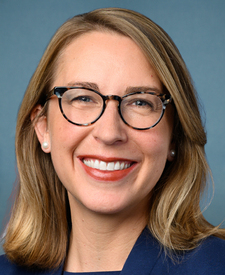
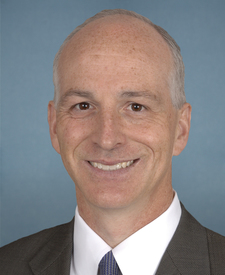
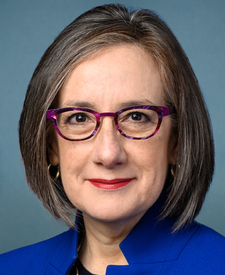
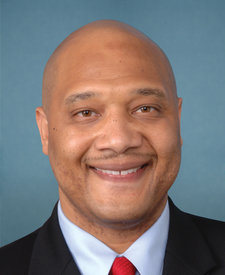
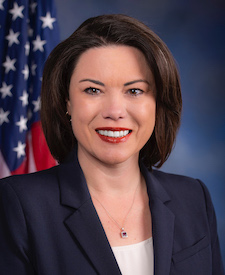
Legislative Progress
In CommitteeMs. Scholten (for herself and Mr. Barrett) introduced the following …
Referred to the Subcommittee on Coast Guard and Maritime Transportation.
Referred to the House Committee on Transportation and Infrastructure.
Introduced in House
Stakeholder Effects
cui bono?How this legislation distributes effects. Mention counts reflect frequency, not effect magnitude.
Bill Structure & Actor Mappings
Who is "The Secretary" in each section?
We use a combination of our own taxonomy and classification in addition to large language models to assess meaning and potential beneficiaries. High confidence means strong textual evidence. Always verify with the original bill text.
Learn more about our methodology