PIIA Reform Act
Summary
What This Bill Does
The PIIA Reform Act is a federal payment-integrity bill. It creates a Director of Improper Payment Mitigation within the Office of Federal Financial Management, called the Overpayment Czar, who assists agencies in identifying, preventing, and mitigating improper payments and fraud. It adds improper-payment reduction to federal financial management plans. It expands the programs treated as susceptible to significant improper payments, including new federal programs with more than $100 million in first-year payments, programs with outstanding inspector general recommendations, and new high-outlay programs in their first four years. It also requires states receiving TANF, Medicaid, SNAP, unemployment compensation, or WIC funds to use applicable OMB-published payment-integrity tools and report annually on their effectiveness.
Who Benefits and How
Federal taxpayers benefit if stronger payment-integrity tools reduce improper payments and fraud across major federal programs. OMB payment-integrity officials benefit from a dedicated Overpayment Czar with authority to recommend agency policy changes. Inspectors general benefit because outstanding recommendations trigger heightened improper-payment risk identification. Program beneficiaries benefit if reduced fraud protects funding for eligible people in TANF, Medicaid, SNAP, unemployment, and WIC.
Who Bears the Burden and How
Executive agencies must cooperate with improper-payment mitigation strategies, financial-management plans, and risk designations. State benefit agencies must use OMB-published payment-integrity tools and submit annual effectiveness reports. New high-dollar federal programs face earlier improper-payment scrutiny and reporting obligations. OMB must publish tool lists, manage the Overpayment Czar role, and collect state reporting.
Key Provisions
- Creates an Overpayment Czar inside the Office of Federal Financial Management.
- Requires federal financial management plans to include improper-payment reduction plans.
- Expands improper-payment risk identification for new high-dollar programs and inspector-general findings.
- Requires states to use OMB payment-integrity tools for TANF, Medicaid, SNAP, unemployment, and WIC.
Evidence Chain:
This summary is generated from the full bill text using AI analysis. Expand "Detailed Analysis" below for identified beneficiaries/burden bearers with clause-level evidence links.
At a Glance
What This Bill Does
Creates an Office of Federal Financial Management Director of Improper Payment Mitigation, expands improper-payment risk identification, and requires states to use OMB payment-integrity tools for major benefit programs.
Key Policy Areas
Government Oversight, Improper Payments, Public Benefits
Primary Purpose
Creates an Office of Federal Financial Management Director of Improper Payment Mitigation, expands improper-payment risk identification, and requires states to use OMB payment-integrity tools for major benefit programs.
Policy Domains
Resolution provisions
Identified Gains
- Federal taxpayers
- OMB payment-integrity officials
- Inspectors general
- Program beneficiaries
Identified Costs
- Executive agencies
- State benefit agencies
- New federal programs
- OMB
Sponsors
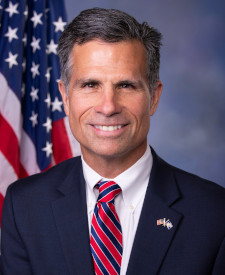
Legislative Progress
In CommitteeMr. Meuser introduced the following bill; which was referred to …
Referred to the Committee on Oversight and Government Reform, and …
Introduced in House
Stakeholder Effects
cui bono?How this legislation distributes effects. Mention counts reflect frequency, not effect magnitude.
Executive agencies, OMB payment-integrity officials
Bill Structure & Actor Mappings
Who is "The Secretary" in each section?
We use a combination of our own taxonomy and classification in addition to large language models to assess meaning and potential beneficiaries. High confidence means strong textual evidence. Always verify with the original bill text.
Learn more about our methodology