To amend title 28, United States Code, to limit the authority of district courts to provide injunctive relief, and for other purposes.
Sponsors


Legislative Progress
Passed HouseReceived; read twice and referred to the Committee on the …
Passed House (inferred from eh version)
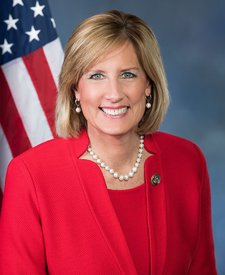
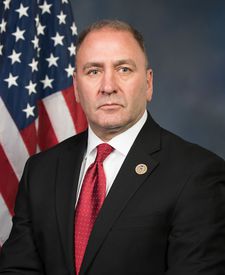
Additional sponsors: Mr. Gooden, Mr. Harris of North Carolina, Mrs. …
Reported with an amendment, committed to the Committee of the …
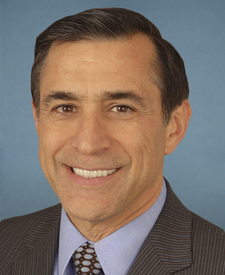
Mr. Issa (for himself, Mr. Van Orden, and Mr. Weber …
Summary
What This Bill Does
The No Rogue Rulings Act of 2025 (NORRA) prohibits federal district courts from issuing nationwide or universal injunctions. Under this bill, when a district court issues an injunction against a federal policy or regulation, that injunction can only apply to the specific parties in that case - not to the entire country. The bill creates one exception: when two or more states from different federal circuits challenge an executive branch action, the case is referred to a randomly-selected three-judge panel that can issue broader injunctions after considering separation of powers concerns.
Who Benefits and How
Federal executive branch agencies - particularly regulatory agencies like the EPA, FDA, and Department of Labor - benefit because they face less risk of having their nationwide policies blocked by a single district judge in one jurisdiction. If someone challenges a federal rule in court and wins an injunction, that injunction would only prevent the agency from enforcing the rule against that specific plaintiff, not against everyone nationwide. This makes it easier for agencies to continue implementing and enforcing regulations even when facing legal challenges.
Who Bears the Burden and How
Civil rights organizations, environmental groups, and public interest law firms face significant new barriers because they can no longer obtain nationwide relief with a single lawsuit in one favorable jurisdiction. For example, if a civil rights group successfully challenges a discriminatory federal policy, they would have to file separate lawsuits in multiple jurisdictions to protect people across the country, rather than obtaining one nationwide injunction. Individual plaintiffs and advocacy organizations must either file multiple redundant lawsuits or accept that their victory only protects themselves and not similarly situated people elsewhere.
Federal district judges also lose a traditional equitable power - the ability to issue injunctions as broad as necessary to fully remedy constitutional or legal violations. State attorneys general face new procedural hurdles when challenging federal actions, requiring coordination with other states and submission to a random three-judge panel process.
Key Provisions
- Amends Title 28 of the U.S. Code to add new Section 1370 restricting federal district court injunctive relief authority
- Injunctions can only apply to the immediate parties in a case and to non-parties represented in class actions under Federal Rules of Civil Procedure
- Multi-state exception: When two or more states from different circuits challenge executive branch actions, a randomly-selected three-judge panel hears the case
- Three-judge panels must consider "interest of justice, risk of irreparable harm to non-parties, and preservation of constitutional separation of powers" before issuing broad injunctions
- Appeals from three-judge panel decisions can go either to the circuit court or directly to the Supreme Court at the appellant's preference
Evidence Chain:
This summary is derived from the structured analysis below. See "Detailed Analysis" for per-title beneficiaries/burden bearers with clause-level evidence links.
Primary Purpose
This bill restricts federal district courts from issuing nationwide or universal injunctions by limiting injunctive relief to only the parties in a specific case.
Policy Domains
Bill Structure & Actor Mappings
Who is "The Secretary" in each section?
- "united_states_district_courts"
- → Federal district courts (trial-level courts in the federal judiciary)
We use a combination of our own taxonomy and classification in addition to large language models to assess meaning and potential beneficiaries. High confidence means strong textual evidence. Always verify with the original bill text.
Learn more about our methodology