Equal Representation Act of 2025
Summary
What This Bill Does
The Equal Representation Act changes census and apportionment rules beginning with the 2030 decennial census. It requires the Commerce Secretary and Census Bureau to include a questionnaire option for every respondent and household member indicating whether the person is a U.S. citizen, a U.S. national but not a citizen, an alien lawfully residing in the United States, or an alien unlawfully residing in the United States. Within 120 days after completion of each decennial census, the Secretary must publish state-level counts disaggregated across those four categories. The bill also amends the 1929 apportionment statute so individuals who are not U.S. citizens are excluded from the number of persons used to apportion Representatives and electoral votes for the 2030 census and later censuses. A severability clause preserves the rest of the Act if a provision or application is held unconstitutional.
Who Benefits and How
States with relatively low noncitizen populations benefit politically because House-seat and electoral-vote apportionment would be based on citizens rather than total resident population. Voters in those states benefit from potentially greater representation per citizen if seats shift away from states with larger noncitizen populations. Election administrators and redistricting analysts benefit from publicly available state-level citizenship and lawful-status counts. Advocates for citizen-only apportionment benefit because the bill turns that policy into a census and apportionment requirement. The Commerce Department gains explicit statutory direction to collect and publish status categories.
Who Bears the Burden and How
The Census Bureau must redesign questionnaires, tabulation systems, privacy review, and public reporting to collect and publish four citizenship or lawful-status categories. Households must answer additional status questions for each member. States and communities with large noncitizen populations may lose House seats or electoral votes because noncitizens would no longer count for apportionment. Noncitizen residents bear representational risk because their presence would be excluded from the apportionment base even though they live in the state. Courts may face constitutional litigation over the exclusion rule, with the severability clause shaping remedies.
Key Provisions
- Requires 2030 and later census questionnaires to ask citizenship or lawful-status category for each household member.
- Requires public state-level reporting within 120 days after each decennial census.
- Excludes noncitizens from the population count used for House apportionment and electoral votes.
- Applies the apportionment change beginning with the 2030 decennial census.
- Provides a severability clause if any provision or application is held unconstitutional.
Evidence Chain:
This summary is generated from the full bill text using AI analysis. Expand "Detailed Analysis" below for identified beneficiaries/burden bearers with clause-level evidence links.
At a Glance
What This Bill Does
Requires the 2030 and later decennial census questionnaires to collect citizenship and lawful-status categories, requires state-level public reporting within 120 days after each census, and excludes noncitizens from the population count used to apportion House seats and electoral votes.
Key Policy Areas
Census, Elections, Immigration
Primary Purpose
Requires the 2030 and later decennial census questionnaires to collect citizenship and lawful-status categories, requires state-level public reporting within 120 days after each census, and excludes noncitizens from the population count used to apportion House seats and electoral votes.
Policy Domains
House resolution provisions
Identified Gains
- States with low noncitizen populations
- Voters in citizen-heavy states
- Election administrators
- Redistricting analysts
- Citizen-only apportionment advocates
Identified Costs
- Census Bureau
- Households completing the census
- States with large noncitizen populations
- Noncitizen residents
- Courts reviewing apportionment challenges
Sponsors


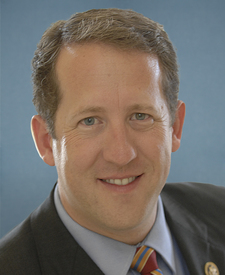
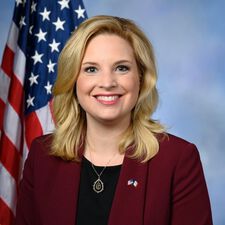
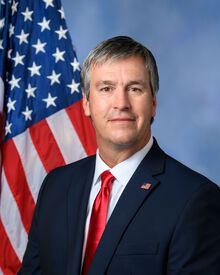
Legislative Progress
ReportedPlaced on the Union Calendar, Calendar No. 536.
Reported (Amended) by the Committee on Oversight and Government Reform. …
Additional sponsors: Mr. Rose, Mr. Smith of Nebraska, Mrs. Hinson, …
Reported (Amended) by the Committee on Oversight and Government Reform. …
Ordered to be Reported (Amended) by the Yeas and Nays: …
Committee Consideration and Mark-up Session Held
Sponsor introductory remarks on measure. (CR E21)
Introduced in House
Referred to the House Committee on Oversight and Government Reform.
Mr. Edwards (for himself, Mr. Davidson, Mr. Bean of Florida, …
Stakeholder Effects
cui bono?How this legislation distributes effects. Mention counts reflect frequency, not effect magnitude.
Census Bureau, States with large noncitizen populations, States with low noncitizen populations
Positive-direction: States with low noncitizen populations
Negative-direction: Census Bureau, States with large noncitizen populations
Bill Structure & Actor Mappings
Who is "The Secretary" in each section?
- "census"
- → Census Bureau
- "secretary"
- → Secretary of Commerce
We use a combination of our own taxonomy and classification in addition to large language models to assess meaning and potential beneficiaries. High confidence means strong textual evidence. Always verify with the original bill text.
Learn more about our methodology