To establish the People-Centered Assistance Reform Effort Commission, to improve the social safety net and increase social mobility by increasing access to resources which address the underlying causes of poverty.
Analysis under review: This bill has generated analysis that may be too generic or incomplete. Clause-level evidence remains available below.
Summary
What This Bill Does
The bill establishes the stated purpose of the bill: to restructure means-tested welfare programs so they work together in an integrated manner, help social workers assist people holistically, enable program recipients, defines "means-tested welfare program" to include 70+ federal programs providing assistance to low-income Americans (SNAP, Medicaid, housing assistance, EITC, education grants, etc.) while explicitly excluding Social, and creates the CARE Commission with 8 bipartisan members appointed by Congressional leadership, grants it subpoena power and authority to review all means-tested welfare programs, requires consultation with restructuring. It relies on definition changes, reporting requirements, compliance mandates, and exemptions. The main policy areas are Tax Policy, Social Welfare, and Finance.
Who Benefits and How
Veterans receiving VA benefits would be affected, Social Security recipients would be affected, and Medicare beneficiaries would be affected.
Who Bears the Burden and How
Registered lobbyists could face higher barriers, Individual legislators seeking amendments could face higher barriers, and Minority party legislators could face higher barriers.
Key Provisions
- Establishes the stated purpose of the bill: to restructure means-tested welfare programs so they work together in an integrated manner, help social workers assist people holistically, enable program recipients...
- Defines "means-tested welfare program" to include 70+ federal programs providing assistance to low-income Americans (SNAP, Medicaid, housing assistance, EITC, education grants, etc.) while explicitly excluding Social...
- Creates the CARE Commission with 8 bipartisan members appointed by Congressional leadership, grants it subpoena power and authority to review all means-tested welfare programs, requires consultation with restructuring...
- Establishes expedited Congressional procedures for the Commission bill including mandatory introduction within 5 days, limited debate (10 hours in House, 30 hours in Senate), prohibition on amendments, waiver of all...
Evidence Chain:
This summary is generated from the full bill text using AI analysis. Expand "Detailed Analysis" below for identified beneficiaries/burden bearers with clause-level evidence links.
At a Glance
What This Bill Does
The bill establishes the stated purpose of the bill: to restructure means-tested welfare programs so they work together in an integrated manner, help social workers assist people holistically, enable program recipients, defines "means-tested welfare program" to include 70+ federal programs providing assistance to low-income Americans (SNAP, Medicaid, housing assistance, EITC, education grants, etc.) while explicitly excluding Social, and creates the CARE Commission with 8 bipartisan members appointed by Congressional leadership, grants it subpoena power and authority to review all means-tested welfare programs, requires consultation with restructuring.
Key Policy Areas
Tax Policy, Social Welfare, Finance
Primary Purpose
The bill establishes the stated purpose of the bill: to restructure means-tested welfare programs so they work together in an integrated manner, help social workers assist people holistically, enable program recipients, defines "means-tested welfare program" to include 70+ federal programs providing assistance to low-income Americans (SNAP, Medicaid, housing assistance, EITC, education grants, etc.) while explicitly excluding Social, and creates the CARE Commission with 8 bipartisan members appointed by Congressional leadership, grants it subpoena power and authority to review all means-tested welfare programs, requires consultation with restructuring.
Policy Domains
ELITE Vehicles Act
Identified Gains
- Veterans receiving VA benefits
- Social Security recipients
- Medicare beneficiaries
- Congressional leadership (majority)
- Corporate restructuring consultants
Identified Costs
- Registered lobbyists
- Individual legislators seeking amendments
- Minority party legislators
- SNAP (food stamps) recipients
- Public housing residents
Legislative Progress
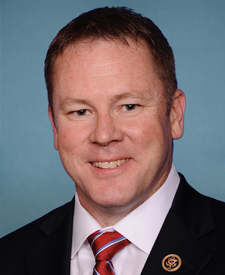
IntroducedMr. Davidson introduced the following bill; which was referred to …
Stakeholder Effects
cui bono?How this legislation distributes effects. Mention counts reflect frequency, not effect magnitude.
CARE Commission members, Congressional Budget Office, Congressional leadership (majority)
Positive-direction: CARE Commission members, Congressional leadership (majority), State governments, Veterans receiving VA benefits
Negative-direction: Congressional Budget Office, Federal welfare agencies, Federal welfare agency employees, Individual legislators seeking amendments, Minority party legislators
EITC and child tax credit recipients, Means-tested welfare program recipients, Public housing residents
Positive-direction: Social Security recipients
Negative-direction: EITC and child tax credit recipients, Public housing residents, SNAP (food stamps) recipients
Advocacy groups and lobbyists, Corporate restructuring consultants, Registered lobbyists
Positive-direction: Corporate restructuring consultants
Negative-direction: Advocacy groups and lobbyists, Registered lobbyists
Medicaid beneficiaries, Medicare beneficiaries
Positive-direction: Medicare beneficiaries
Negative-direction: Medicaid beneficiaries
Private contractors for government services
Bill Structure & Actor Mappings
Who is "The Secretary" in each section?
Key Definitions
Terms defined in this bill
The recognized governing body of any Indian or Alaska Native tribe, band, nation, pueblo, village, community, component band, or component reservation, individually identified in the list published pursuant to section 104 of the Federally Recognized Indian Tribe List Act of 1994
We use a combination of our own taxonomy and classification in addition to large language models to assess meaning and potential beneficiaries. High confidence means strong textual evidence. Always verify with the original bill text.
Learn more about our methodology