DEFUND Act of 2025
Summary
What This Bill Does
The DEFUND Act of 2025 provisions in local text cut off U.S. funding and legal privileges for the United Nations. No funds may be authorized, appropriated, or otherwise made available for assessed or voluntary U.S. contributions to the UN or its organs, specialized agencies, commissions, or affiliated bodies, except funds needed to terminate U.S. membership and withdraw U.S. personnel and equipment. After termination, no payments may be made from prior appropriations or other funds. The bill also bars the UN from occupying or using U.S. Government property and removes Vienna Convention, International Organizations Immunities Act, and headquarters-agreement privileges and immunities for UN officers, employees, affiliated bodies, and foreign missions to the UN.
Who Benefits and How
Federal taxpayers benefit if assessed and voluntary U.S. contributions to the United Nations stop. UN-skeptical foreign policy organizations benefit because the bill advances withdrawal and defunding goals. Members of Congress opposing UN participation benefit from statutory language cutting off payments and privileges. Federal budget offices benefit from a clear prohibition on UN contribution accounts after termination.
Who Bears the Burden and How
United Nations agencies lose access to U.S. assessed and voluntary contributions. UN personnel in the United States lose diplomatic privileges and immunities under the bill's repeal language. Foreign missions to the United Nations lose Vienna Convention privileges and immunities for covered representatives. The Department of State must manage withdrawal, facility, treaty, and diplomatic-immunity consequences.
Key Provisions
- Prohibits U.S. assessed and voluntary contributions to the United Nations and affiliated bodies.
- Allows funds only to facilitate termination of U.S. membership and withdrawal of personnel and equipment.
- Bars UN occupation or use of U.S. Government property or facilities.
- Repeals privileges and immunities for UN personnel and foreign missions to the UN.
Evidence Chain:
This summary is generated from the full bill text using AI analysis. Expand "Detailed Analysis" below for identified beneficiaries/burden bearers with clause-level evidence links.
At a Glance
What This Bill Does
Blocks U.S. assessed and voluntary contributions to the United Nations except withdrawal costs, bars UN use of U.S. Government facilities, and removes diplomatic privileges and immunities for UN personnel and foreign missions to the UN.
Key Policy Areas
Foreign Affairs, United Nations, Federal Spending
Primary Purpose
Blocks U.S. assessed and voluntary contributions to the United Nations except withdrawal costs, bars UN use of U.S. Government facilities, and removes diplomatic privileges and immunities for UN personnel and foreign missions to the UN.
Policy Domains
Resolution provisions
Identified Gains
- Federal taxpayers
- UN-skeptical organizations
- Members opposing UN participation
- Federal budget offices
Identified Costs
- United Nations agencies
- UN personnel
- Foreign missions to the United Nations
- Department of State
Sponsors
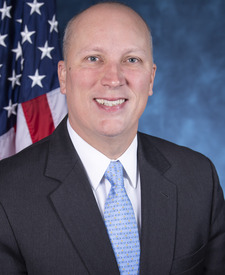


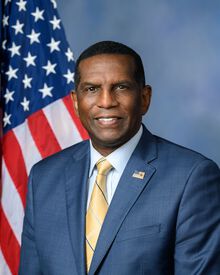

Legislative Progress
In CommitteeMr. Roy (for himself, Mr. Crane, Mrs. Harshbarger, Mrs. Luna, …
Referred to the House Committee on Foreign Affairs.
Introduced in House
Stakeholder Effects
cui bono?How this legislation distributes effects. Mention counts reflect frequency, not effect magnitude.
UN personnel, United Nations agencies
Bill Structure & Actor Mappings
Who is "The Secretary" in each section?
We use a combination of our own taxonomy and classification in addition to large language models to assess meaning and potential beneficiaries. High confidence means strong textual evidence. Always verify with the original bill text.
Learn more about our methodology