Hotel Fees Transparency Act of 2025
Summary
What This Bill Does
The Hotel Fees Transparency Act of 2025 prohibits a covered entity from displaying, advertising, marketing, or offering hotel rooms or other short-term rental services in interstate commerce unless the price clearly, conspicuously, and prominently shows the total services price wherever the covered services are advertised or offered. The same total price must be disclosed when the covered service is first displayed to a purchaser and throughout the purchasing process. Before final purchase, the covered entity must disclose any tax, fee, or assessment imposed by a government entity, quasi-government entity, or government-created special district or program. The bill still allows less-prominent display of price components and other optional details, and it allows contracts between covered entities to include indemnification provisions for price or fee information they share. Violations are treated as unfair or deceptive practices under the FTC Act. The FTC may enforce the rule using its existing powers, penalties, privileges, and immunities. State attorneys general may sue as parens patriae on behalf of residents, must generally notify the FTC before filing, and the FTC may intervene.
Who Benefits and How
Hotel guests, short-term rental guests, families booking travel, business travelers, online travel consumers, state residents, state attorneys general, and the Federal Trade Commission benefit from upfront total-price disclosure, fewer surprise resort or cleaning fees at checkout, government tax and fee disclosure before purchase, and federal and state enforcement authority. Consumers can compare lodging offers based on the total services price instead of a low headline rate that excludes mandatory charges.
Who Bears the Burden and How
Hotels, short-term rental platforms, online travel agencies, third-party distributors, metasearch referral services, booking-engine software providers, hospitality marketing staff, lodging revenue managers, customer-support staff, and fee-data vendors must update advertisements, price lists, booking flows, tax displays, fee feeds, contracts, and compliance procedures. Covered entities that violate the disclosure rule face FTC penalties and state attorney-general civil actions.
Key Provisions
- Requires covered lodging sellers to display the total services price prominently whenever a covered-service price is advertised or offered.
- Requires total-price disclosure from the first display through the purchasing process.
- Requires disclosure before final purchase of taxes, fees, and assessments imposed by government or quasi-government entities.
- Allows less-prominent display of price components and optional details.
- Allows indemnification contracts between covered entities for shared price or fee information.
- Treats violations as FTC Act unfair or deceptive practices and authorizes state attorney-general enforcement.
Evidence Chain:
This summary is generated from the full bill text using AI analysis. Expand "Detailed Analysis" below for identified beneficiaries/burden bearers with clause-level evidence links.
At a Glance
What This Bill Does
Requires hotels, short-term rental providers, online travel agencies, third-party distributors, and metasearch referral services to show total lodging prices prominently from the first advertised price through purchase, disclose government taxes and fees before final purchase, allow indemnification contracts between covered entities, and makes violations enforceable by the FTC and state attorneys general.
Key Policy Areas
Consumer Protection, Travel, Hospitality
Primary Purpose
Requires hotels, short-term rental providers, online travel agencies, third-party distributors, and metasearch referral services to show total lodging prices prominently from the first advertised price through purchase, disclose government taxes and fees before final purchase, allow indemnification contracts between covered entities, and makes violations enforceable by the FTC and state attorneys general.
Policy Domains
Substantive provisions
Identified Gains
- Hotel guests
- Short-term rental guests
- Families booking travel
- Business travelers
- Online travel consumers
- State residents
- State attorneys general
- Federal Trade Commission
Identified Costs
- Hotels
- Short-term rental platforms
- Online travel agencies
- Third-party distributors
- Metasearch referral services
- Booking-engine software providers
- Hospitality marketing staff
- Lodging revenue managers
Sponsors
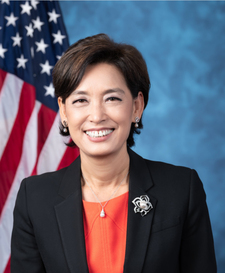
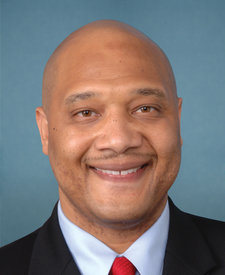



Legislative Progress
Passed HouseReceived; read twice and placed on the calendar
Passed House (inferred from eh version)
Received in the Senate. Read twice. Placed on Senate Legislative …
Motion to reconsider laid on the table Agreed to without …
On motion to suspend the rules and pass the bill …
DEBATE - The House proceeded with forty minutes of debate …
Passed/agreed to in House: On motion to suspend the rules …
Considered under suspension of the rules. (consideration: CR H1647-1650)
Mr. Bilirakis moved to suspend the rules and pass the …
Placed on the Union Calendar, Calendar No. 48.
Stakeholder Effects
cui bono?How this legislation distributes effects. Mention counts reflect frequency, not effect magnitude.
Hotels, Online travel agencies, Short-term rental platforms
Bill Structure & Actor Mappings
Who is "The Secretary" in each section?
- "covered_entity"
- → A seller or intermediary that displays, advertises, markets, or offers covered lodging services in interstate commerce.
We use a combination of our own taxonomy and classification in addition to large language models to assess meaning and potential beneficiaries. High confidence means strong textual evidence. Always verify with the original bill text.
Learn more about our methodology