Animal Cruelty Enforcement Act of 2025
Sponsors
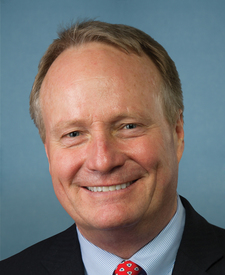
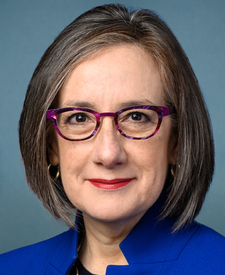

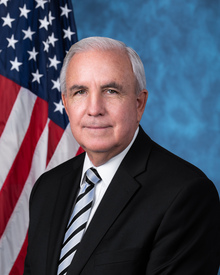

Legislative Progress
In CommitteeMr. Joyce of Ohio (for himself, Mr. Neguse, Mr. Ciscomani, …
Summary
What This Bill Does
The Animal Cruelty Enforcement Act of 2025 creates a new specialized unit within the Department of Justice to prosecute federal animal cruelty crimes. This unit, called the Animal Cruelty Crimes Section, will be housed in the DOJ's Environment and Natural Resources Division and will focus exclusively on enforcing existing federal laws that prohibit animal cruelty, including animal fighting operations and animal trafficking. The bill recognizes the documented connection between animal cruelty and other serious crimes like domestic violence, child abuse, and gang activity.
Who Benefits and How
Animal welfare organizations and advocacy groups benefit from dedicated federal resources to enforce laws they've long championed. The DOJ's Environment and Natural Resources Division gains a new specialized unit with dedicated staff and budget. Law enforcement agencies already tracking animal cruelty crimes, including the FBI and local prosecutors, will have a specialized federal partner to assist with complex cases that cross state lines or involve federal jurisdiction.
Who Bears the Burden and How
Federal taxpayers will fund this new unit through DOJ appropriations, covering salaries for attorneys, investigators, and support staff. Individuals and organizations engaged in illegal animal operations—particularly animal fighting rings and those trafficking in protected species—will face significantly increased prosecution risk due to the dedicated enforcement focus. Federal agencies like the FBI, U.S. Marshals Service, and USDA Inspector General will have new coordination requirements with this section, adding some administrative burden to their existing responsibilities.
Key Provisions
- Creates the Animal Cruelty Crimes Section as a permanent unit within the DOJ Environment and Natural Resources Division with sole focus on federal animal cruelty law enforcement
- Requires the new section to coordinate investigations and prosecutions with USDA, FBI, U.S. Marshals, Customs and Border Protection, and other relevant agencies
- Mandates annual reports to Congress detailing the number of charges filed, broken down by specific law violated and state where violation occurred
- Requires reporting on investigations that did not result in charges, providing transparency on enforcement decisions and potential gaps in existing laws
Evidence Chain:
This summary is derived from the structured analysis below. See "Detailed Analysis" for per-title beneficiaries/burden bearers with clause-level evidence links.
Primary Purpose
Establishes a dedicated Animal Cruelty Crimes Section within the Department of Justice's Environment and Natural Resources Division to enforce federal animal cruelty laws
Policy Domains
Legislative Strategy
"Create a specialized enforcement unit to increase prosecution and enforcement of existing federal animal cruelty laws by providing dedicated resources and expertise"
Likely Beneficiaries
- Animal welfare organizations
- Law enforcement agencies investigating animal cruelty
- Victims of crimes linked to animal cruelty (domestic violence, child abuse)
- DOJ Environment and Natural Resources Division
Likely Burden Bearers
- Animal abusers and those involved in animal fighting operations
- DOJ budget (must fund new section)
- Individuals and organizations subject to increased enforcement of animal cruelty laws
Bill Structure & Actor Mappings
Who is "The Secretary" in each section?
- "the_section"
- → Animal Cruelty Crimes Section within DOJ Environment and Natural Resources Division
We use a combination of our own taxonomy and classification in addition to large language models to assess meaning and potential beneficiaries. High confidence means strong textual evidence. Always verify with the original bill text.
Learn more about our methodology