Protect America’s Innovation and Economic Security from CCP Act
Summary
What This Bill Does
The Protect America's Innovation and Economic Security from CCP Act establishes a CCP Initiative inside the Department of Justice National Security Division. The initiative must counter nation-state threats, curb Chinese Communist Party spying on U.S. intellectual property and academic institutions, develop enforcement strategy for nontraditional collectors such as researchers in labs, universities, and the defense industrial base, and implement DOJ's role in the Foreign Investment Risk Review Modernization Act with Treasury. It must identify Foreign Corrupt Practices Act cases involving Chinese companies competing with U.S. businesses, prioritize prosecution of trade-secret theft, hacking, and economic espionage, protect critical infrastructure from foreign direct investment and supply-chain compromises, identify CCP intellectual-property theft from small businesses, and investigate investments by Chinese companies on the Commerce Entity List or Defense Department PRC Military Companies list. DOJ must report findings from those investment investigations to Commerce and Defense, including controlled subsidiaries or entities even if not registered or operating in China. The Attorney General, through the Assistant Attorney General for National Security, must consult DOJ components and coordinate with FBI and other agencies. The CCP Initiative must be separate from other DOJ nation-state threat initiatives, and its resources must be set aside solely for the CCP Initiative.
Who Benefits and How
U.S. small businesses benefit from a DOJ priority on identifying CCP theft of intellectual property. Universities, research labs, and the defense industrial base benefit from enforcement attention to nontraditional collectors transferring technology contrary to U.S. interests. U.S. companies competing with Chinese firms benefit from FCPA enforcement focus on corrupt practices involving Chinese companies. Critical-infrastructure owners benefit from attention to foreign direct investment and supply-chain compromise threats. Commerce and Defense benefit from DOJ reports on investments by Entity List and PRC Military Companies list firms. FBI and DOJ national-security prosecutors benefit from a dedicated statutory initiative and ring-fenced resources.
Who Bears the Burden and How
Chinese companies on the Entity List or PRC Military Companies list face DOJ investment investigations and reporting to Commerce and Defense. Researchers, labs, universities, and defense-industrial-base actors suspected of technology transfer face enforcement scrutiny. Companies involved in Chinese-linked FCPA cases, trade-secret theft, hacking, or economic espionage face prosecution risk. DOJ must dedicate resources solely to the CCP Initiative and keep it separate from other nation-state threat programs. The Attorney General and Assistant Attorney General for National Security must coordinate with FBI and other agencies.
Key Provisions
- Establishes a CCP Initiative in DOJ's National Security Division.
- Directs enforcement against CCP spying on U.S. intellectual property and academic institutions.
- Requires strategy for nontraditional collectors in labs, universities, and the defense industrial base.
- Directs DOJ FIRRMA implementation work with Treasury.
- Prioritizes trade-secret theft, hacking, economic espionage, critical-infrastructure threats, and supply-chain compromises.
- Requires investigation of investments by Entity List and PRC Military Companies list firms.
- Requires reports to Commerce and Defense on covered investment findings.
- Ring-fences CCP Initiative resources from other DOJ nation-state threat initiatives.
Evidence Chain:
This summary is generated from the full bill text using AI analysis. Expand "Detailed Analysis" below for identified beneficiaries/burden bearers with clause-level evidence links.
At a Glance
What This Bill Does
Establishes a dedicated CCP Initiative in DOJ's National Security Division to counter Chinese Communist Party economic and national-security threats, including intellectual property theft, academic and defense-industrial-base technology transfer, FIRRMA implementation, FCPA cases involving Chinese companies, trade-secret theft, hacking, economic espionage, critical-infrastructure threats, supply-chain compromises, and Entity List or PRC Military Companies investments.
Key Policy Areas
National Security, China, Intellectual Property, Law Enforcement
Primary Purpose
Establishes a dedicated CCP Initiative in DOJ's National Security Division to counter Chinese Communist Party economic and national-security threats, including intellectual property theft, academic and defense-industrial-base technology transfer, FIRRMA implementation, FCPA cases involving Chinese companies, trade-secret theft, hacking, economic espionage, critical-infrastructure threats, supply-chain compromises, and Entity List or PRC Military Companies investments.
Policy Domains
House resolution provisions
Identified Gains
- U.S. small businesses
- Universities
- Research labs
- Defense industrial base
- U.S. companies competing with Chinese firms
- Critical-infrastructure owners
- DOJ national-security prosecutors
Identified Costs
- Chinese companies on restricted lists
- Researchers suspected of technology transfer
- Companies in Chinese-linked FCPA cases
- Department of Justice
- Attorney General
- Assistant Attorney General for National Security
Sponsors
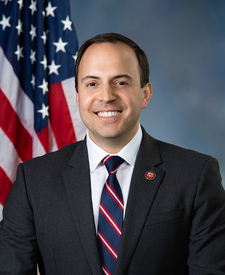


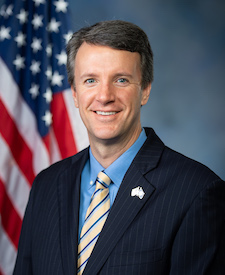

Legislative Progress
ReportedPlaced on the Union Calendar, Calendar No. 607.
Reported (Amended) by the Committee on Judiciary. H. Rept. 119-699.
Additional sponsors: Mrs. Kiggans of Virginia, Mr. Yakym, Mr. LaHood, …
Reported with an amendment, committed to the Committee of the …
Ordered to be Reported (Amended) by the Yeas and Nays: …
Committee Consideration and Mark-up Session Held
Mr. Gooden (for himself, Mr. Tiffany, Mr. Kennedy of Utah, …
Referred to the House Committee on the Judiciary.
Introduced in House
Stakeholder Effects
cui bono?How this legislation distributes effects. Mention counts reflect frequency, not effect magnitude.
Department of Justice, Federal Bureau of Investigation
Bill Structure & Actor Mappings
Who is "The Secretary" in each section?
- "doj"
- → Department of Justice
- "fbi"
- → Federal Bureau of Investigation
- "defense"
- → Department of Defense
- "commerce"
- → Department of Commerce
We use a combination of our own taxonomy and classification in addition to large language models to assess meaning and potential beneficiaries. High confidence means strong textual evidence. Always verify with the original bill text.
Learn more about our methodology