To amend the Federal Reserve Act to prohibit Federal reserve banks from paying interest on excess reserves.
Analysis under review: This bill has generated analysis that may be too generic or incomplete. Clause-level evidence remains available below.
Summary
What This Bill Does:
This bill aims to change how our country's central bank, called the Federal Reserve, handles money. Right now, it pays interest on extra cash that banks keep with them. This bill wants to stop that practice.
Who Benefits and How:
- Banks that lend out more of their money: They'll have less incentive to hold onto extra cash.
- Consumers and businesses who borrow from these banks: More lending could mean easier access to loans or lower interest rates.
Who Bears the Burden and How:
- Banks with large excess reserves: They'll lose some income if this bill passes, as they won't earn interest on that money anymore.
- Federal Reserve: It might face criticism for changing its policy. Some people worry this could lead to less stability in our banking system.
Key Provisions:
- The Federal Reserve can no longer pay interest on extra cash (called "excess reserves") that banks keep with them.
- This change encourages banks to lend out more money instead of holding onto it.
- The bill's official name is the "Prohibition on IOER Act of 2025".
Evidence Chain:
This summary is generated from the full bill text using AI analysis. Expand "Detailed Analysis" below for identified beneficiaries/burden bearers.
At a Glance
What This Bill Does
The bill aims to amend the Federal Reserve Act by prohibiting Federal reserve banks from paying interest on excess reserves, known as IOER (Interest on Excess Reserves). This is intended to reduce incentives for banks to hold large amounts of excess reserves and encourage more lending in the economy.
Key Policy Areas
finance, economy
Primary Purpose
The bill aims to amend the Federal Reserve Act by prohibiting Federal reserve banks from paying interest on excess reserves, known as IOER (Interest on Excess Reserves). This is intended to reduce incentives for banks to hold large amounts of excess reserves and encourage more lending in the economy.
Policy Domains
Legislative Progress
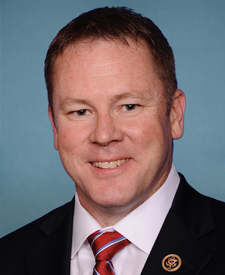
IntroducedMr. Davidson introduced the following bill; which was referred to …
Stakeholder Effects
cui bono?How this legislation distributes effects. Mention counts reflect frequency, not effect magnitude.
Bill Structure & Actor Mappings
Who is "The Secretary" in each section?
- "the_federal_reserve"
- → Federal Reserve Board and its member banks
Key Definitions
Terms defined in this bill
Amends the Federal Reserve Act to prohibit Federal reserve banks from paying earnings or interest on surplus reserves held by depository institutions, except as specified in the paragraph.
The bill is officially titled the Prohibition on IOER Act of 2025.
We use a combination of our own taxonomy and classification in addition to large language models to assess meaning and potential beneficiaries. High confidence means strong textual evidence. Always verify with the original bill text.
Learn more about our methodology