To amend title 38, United States Code, to modify the criteria for approval of certain independent study programs for purposes of the educational assistance programs of the Department of Veterans Affairs.
Sponsors



Legislative Progress
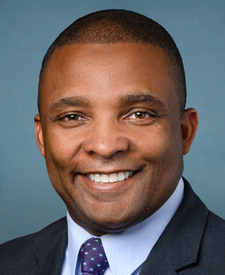
ReportedAdditional sponsors: Mr. Hudson, Mr. Neguse, Mr. Van Orden, Mr. …
Reported with an amendment, committed to the Committee of the …
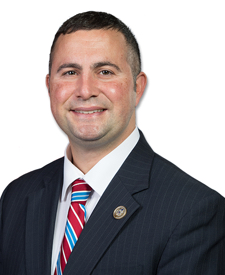
Mr. Ciscomani (for himself and Mr. Davis of North Carolina) …
Summary
What This Bill Does
This bill expands eligibility for veterans' GI Bill education benefits to cover independent study programs at accredited colleges and universities, as long as these programs involve regular interaction between students and instructors. It also creates a new repayment process for service members who contributed to their education benefits but don't qualify for housing stipends.
Who Benefits and How
Veterans using GI Bill benefits gain access to more online and independent study educational options at Title IV-eligible institutions, giving them greater flexibility in how they pursue their education. Online universities and education technology companies offering interactive independent study programs become eligible to receive GI Bill payments, opening up a new revenue stream. Reserve and National Guard members who contributed to the Post-9/11 GI Bill receive a lump-sum repayment of their contributions (with interest) within 60 days of exhausting their benefits, rather than waiting for monthly housing stipends they don't qualify for.
Who Bears the Burden and How
The Department of Veterans Affairs faces increased administrative workload to implement new payment systems, track compliance with student-instructor interaction requirements, and process lump-sum repayments within the 60-day deadline. Federal taxpayers bear the cost of expanded benefit eligibility and faster repayment timelines, though the bill does not specify appropriation amounts. Educational institutions must meet new compliance survey notice requirements and may need to document their student-instructor interaction processes to qualify.
Key Provisions
- Allows VA education benefits for independent study at Title IV institutions that require "regular and substantive interaction" between students and instructors, effective August 1, 2025
- Creates automatic lump-sum repayment for service members who contributed to Post-9/11 GI Bill but aren't eligible for housing stipends, paid within 60 days of benefit exhaustion
- Permits service members called to active duty to enter agreements with schools to complete courses remotely or on modified schedule (if they've completed at least half the course)
- Requires VA to notify school certifying officials within 14 business days of handbook updates
- Gives educational institutions with advanced tracking systems 10-15 days notice before VA compliance surveys (instead of up to 10 days for all schools)
- Extends VA pension payment limit sunset date from November 2031 to March 2033
Evidence Chain:
This summary is derived from the structured analysis below. See "Detailed Analysis" for per-title beneficiaries/burden bearers with clause-level evidence links.
Primary Purpose
Expands eligibility for VA educational assistance to cover independent study programs at Title IV institutions that provide regular and substantive student-instructor interaction
Policy Domains
Legislative Strategy
"Expand VA education benefits to cover independent study programs at accredited institutions with student engagement requirements"
Likely Beneficiaries
- Veterans using GI Bill benefits
- Title IV-eligible higher education institutions offering independent study
- Online education providers
Likely Burden Bearers
- Department of Veterans Affairs (administrative implementation)
- Taxpayers (increased benefit utilization)
Bill Structure & Actor Mappings
Who is "The Secretary" in each section?
- "the_secretary"
- → Secretary of Veterans Affairs
Key Definitions
Terms defined in this bill
Requirements that courses must meet regular and substantive interaction between students and instructors (referenced in amended section)
An institution defined in section 102 of the Higher Education Act of 1965 (20 U.S.C. 1002) that is approved to participate or participating in the student financial assistance programs authorized by title IV of that Act
We use a combination of our own taxonomy and classification in addition to large language models to assess meaning and potential beneficiaries. High confidence means strong textual evidence. Always verify with the original bill text.
Learn more about our methodology