To codify the Institute for Telecommunication Sciences and to direct the Assistant Secretary of Commerce for Communications and Information to establish an initiative to support the development of emergency communication and tracking technologies, and for other purposes.
Sponsors

Legislative Progress
Passed HouseReceived; read twice and referred to the Committee on Commerce, …
Passed House (inferred from eh version)
Committed to the Committee of the Whole House on the …
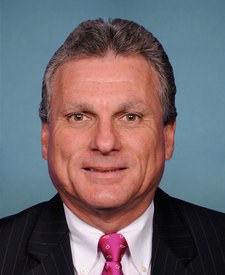
Mr. Carter of Georgia (for himself and Ms. Pettersen) introduced …
Summary
What This Bill Does
This bill formally codifies the Institute for Telecommunication Sciences (ITS) as a federal laboratory within NTIA. It defines ITS's role in spectrum research, interference studies, and supporting commercial use of federal spectrum.
Who Benefits and How
Commercial wireless companies benefit from ITS research enabling spectrum sharing. Federal agencies benefit from interference studies. The telecommunications industry benefits from spectrum innovation testing.
Who Bears the Burden and How
No new burdens imposed. Bill codifies existing operations and provides congressional authorization.
Key Provisions
- Codifies ITS as primary federal spectrum research laboratory
- Authorizes spectrum sharing research and testing
- Enables cooperative agreements with non-federal entities
- Supports emergency communication technology development
Evidence Chain:
This summary is derived from the structured analysis below. See "Detailed Analysis" for per-title beneficiaries/burden bearers with clause-level evidence links.
Primary Purpose
Codifies the Institute for Telecommunication Sciences within NTIA and establishes its spectrum research functions
Policy Domains
Main Bill
Likely Beneficiaries
- Wireless telecommunications companies
- Federal agencies
- Spectrum innovation sector
Inferred from context, no direct clause evidence
Bill Structure & Actor Mappings
Who is "The Secretary" in each section?
- "the_assistant_secretary"
- → Assistant Secretary of Commerce for Communications and Information
We use a combination of our own taxonomy and classification in addition to large language models to assess meaning and potential beneficiaries. High confidence means strong textual evidence. Always verify with the original bill text.
Learn more about our methodology