Public Safety Free Speech Act
Summary
What This Bill Does
The Public Safety Free Speech Act protects covered public-safety employees from employer retaliation for certain personal opinions. Covered employees include qualified law enforcement officers, firefighting and EMS employees, and federal firefighters. They may sue an employer for termination or adverse employment action tied to oral or written personal opinions about public safety service delivery, compensation, benefits, working conditions, scheduling, equipment, employer policies, job requirements, or political and religious views. Prevailing plaintiffs may receive damages, injunctive relief, attorneys' fees, costs, and other appropriate relief, but the protection excludes on-duty comments, encouragement of violence or illegal action, and other listed exceptions.
Who Benefits and How
Law enforcement officers benefit because off-duty opinions about public safety services or workplace conditions receive a federal cause of action. Firefighters benefit from protection when speaking about equipment, scheduling, compensation, or department policy. Emergency medical workers benefit because adverse employment actions for covered personal opinions can be challenged in court. Public safety unions benefit from stronger legal leverage around member speech on workplace and policy issues.
Who Bears the Burden and How
Law enforcement agencies face litigation risk for retaliating against protected off-duty employee speech. Fire departments must train supervisors on the line between protected opinions and excluded comments. Emergency medical services agencies must update discipline policies for covered employee speech. Local governments may face damages, attorneys' fees, and injunctive relief if employees prevail.
Key Provisions
- Creates a cause of action for covered public-safety employees facing adverse employment action.
- Protects personal opinions on public safety delivery, compensation, working conditions, equipment, policies, and political or religious views.
- Provides damages, injunctive relief, attorneys' fees, costs, and other appropriate relief.
- Excludes on-duty comments and speech encouraging violence or illegal action.
Evidence Chain:
This summary is generated from the full bill text using AI analysis. Expand "Detailed Analysis" below for identified beneficiaries/burden bearers with clause-level evidence links.
At a Glance
What This Bill Does
Creates a damages action for law enforcement officers, firefighters, emergency medical workers, and federal firefighters who face adverse employment action for off-duty personal opinions on public safety, workplace, political, or religious matters.
Key Policy Areas
Labor, Public Safety, Free Speech
Primary Purpose
Creates a damages action for law enforcement officers, firefighters, emergency medical workers, and federal firefighters who face adverse employment action for off-duty personal opinions on public safety, workplace, political, or religious matters.
Policy Domains
Resolution provisions
Identified Gains
- Law enforcement officers
- Firefighters
- Emergency medical workers
- Public safety unions
Identified Costs
- Law enforcement agencies
- Fire departments
- Emergency medical services agencies
- Local governments
Sponsors
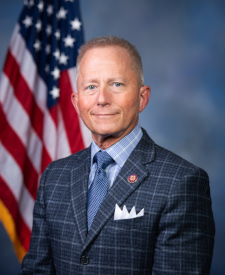
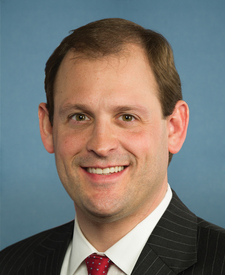
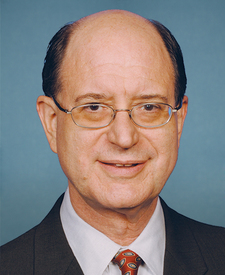
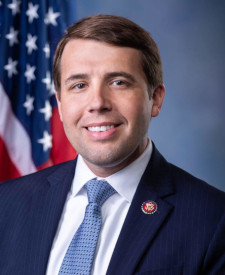
Legislative Progress
In CommitteeMr. Van Drew (for himself and Mr. Cohen) introduced the …
Referred to the House Committee on the Judiciary.
Introduced in House
Stakeholder Effects
cui bono?How this legislation distributes effects. Mention counts reflect frequency, not effect magnitude.
Law enforcement agencies, Law enforcement officers
Positive-direction: Law enforcement officers
Negative-direction: Law enforcement agencies
Fire departments, Firefighters
Positive-direction: Firefighters
Negative-direction: Fire departments
Bill Structure & Actor Mappings
Who is "The Secretary" in each section?
We use a combination of our own taxonomy and classification in addition to large language models to assess meaning and potential beneficiaries. High confidence means strong textual evidence. Always verify with the original bill text.
Learn more about our methodology