Korematsu-Takai Civil Liberties Protection Act of 2025
Summary
What This Bill Does
The Korematsu-Takai Civil Liberties Protection Act of 2025 adds a protected-characteristics detention rule to 18 U.S.C. 4001. No individual may be imprisoned or otherwise detained based solely on an actual or perceived protected characteristic. The listed characteristics include race, ethnicity, national origin, religion, sex, gender identity, sexual orientation, disability, and any additional characteristic the Attorney General determines should be protected. The Attorney General may add protected categories but may not remove the listed ones. The bill is a direct statutory guardrail against detention policies like mass detention based on identity rather than individualized legal cause.
Who Benefits and How
Racial and ethnic minority communities benefit because federal detention cannot be justified solely by actual or perceived identity. Religious communities benefit from explicit protection against detention based solely on religion. LGBTQ people benefit because gender identity and sexual orientation are listed protected characteristics. Civil liberties attorneys benefit from a clear statutory rule to challenge identity-based detention.
Who Bears the Burden and How
Federal detention agencies must ensure detention decisions are not based solely on protected characteristics. The Attorney General must administer any additional protected-characteristic determinations without removing listed categories. Immigration detention officials may face litigation risk if detention practices rely solely on national origin or ethnicity. Law enforcement agencies must maintain individualized grounds rather than identity-only detention rationales.
Key Provisions
- Amends 18 U.S.C. 4001 to prohibit detention based solely on protected characteristics.
- Defines protected characteristics to include race, ethnicity, national origin, religion, sex, gender identity, sexual orientation, and disability.
- Authorizes the Attorney General to add protected characteristics.
- Prohibits removing the listed protected categories from the statutory definition.
Evidence Chain:
This summary is generated from the full bill text using AI analysis. Expand "Detailed Analysis" below for identified beneficiaries/burden bearers.
At a Glance
What This Bill Does
Amends title 18 to prohibit imprisonment or other detention based solely on actual or perceived race, ethnicity, national origin, religion, sex, gender identity, sexual orientation, disability, or an Attorney General-designated protected characteristic.
Key Policy Areas
Civil Liberties, Detention, Due Process
Primary Purpose
Amends title 18 to prohibit imprisonment or other detention based solely on actual or perceived race, ethnicity, national origin, religion, sex, gender identity, sexual orientation, disability, or an Attorney General-designated protected characteristic.
Policy Domains
Resolution provisions
Identified Gains
Contextual inference, no direct clause citation- Racial minority communities
- Religious communities
- LGBTQ people
- Civil liberties attorneys
Contextual inference, no direct clause citation
Identified Costs
Contextual inference, no direct clause citation- Federal detention agencies
- Attorney General
- Immigration detention officials
- Law enforcement agencies
Contextual inference, no direct clause citation
Sponsors




Legislative Progress
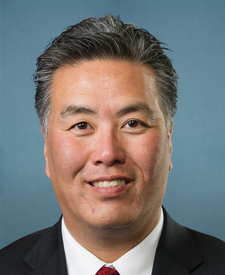
In CommitteeMr. Takano (for himself, Ms. Matsui, Ms. Tokuda, and Ms. …
Referred to the House Committee on the Judiciary.
Introduced in House
Bill Structure & Actor Mappings
Who is "The Secretary" in each section?
We use a combination of our own taxonomy and classification in addition to large language models to assess meaning and potential beneficiaries. High confidence means strong textual evidence. Always verify with the original bill text.
Learn more about our methodology