Kids’ Access to Primary Care Act of 2025
Summary
What This Bill Does
The Kids' Access to Primary Care Act amends Medicaid payment rules so covered primary care services must be paid at no less than 100 percent of the Medicare Part B rate, or a higher benchmark tied to the 2009 conversion factor if greater, and no less than the otherwise applicable Medicaid rate. The new floor applies after enactment to additional primary care providers beyond the 2013-2014 physician categories. HHS must study changes in Medicaid child enrollment, the number of providers receiving primary care payments, and Medicaid primary care payment rates before and after implementation. Congress also states that providers should deliver EPSDT services according to the American Academy of Pediatrics Bright Futures guidelines.
Who Benefits and How
Children enrolled in Medicaid benefit if higher primary care payment rates improve access to pediatric and family medicine appointments. Primary care physicians benefit because Medicaid payment for covered services must meet at least the Medicare rate floor. Pediatric providers benefit from stronger payment support and congressional endorsement of Bright Futures preventive care. Medicaid families benefit if more providers accept Medicaid children because payment rates improve.
Who Bears the Burden and How
State Medicaid agencies must pay covered primary care services at the Medicare-based floor. The Centers for Medicare and Medicaid Services must oversee state plan compliance and provider-rate implementation. Federal and State taxpayers bear higher Medicaid spending for increased primary care rates. HHS analysts must conduct the required study of enrollment, provider participation, and payment-rate changes.
Key Provisions
- Amends Medicaid payment rules to renew a Medicare-rate floor for primary care services.
- Expands the provider categories eligible for the primary care payment floor after enactment.
- Requires HHS to study child enrollment, provider participation, and payment-rate effects.
- Provides congressional support for Bright Futures guidelines in EPSDT services.
Evidence Chain:
This summary is generated from the full bill text using AI analysis. Expand "Detailed Analysis" below for identified beneficiaries/burden bearers with clause-level evidence links.
At a Glance
What This Bill Does
Restores a Medicaid primary care payment floor at least equal to Medicare rates for covered primary care services, includes additional primary care providers, requires an HHS study, and endorses Bright Futures pediatric guidelines.
Key Policy Areas
Medicaid, Primary Care, Children's Health
Primary Purpose
Restores a Medicaid primary care payment floor at least equal to Medicare rates for covered primary care services, includes additional primary care providers, requires an HHS study, and endorses Bright Futures pediatric guidelines.
Policy Domains
Resolution provisions
Identified Gains
- Medicaid children
- Primary care physicians
- Pediatric providers
- Medicaid families
Identified Costs
- State Medicaid agencies
- Centers for Medicare and Medicaid Services
- Federal taxpayers
- HHS analysts
Sponsors
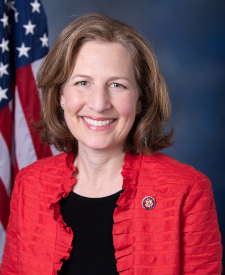

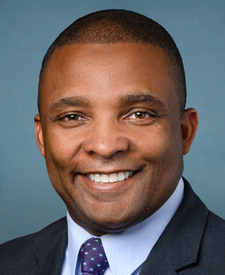

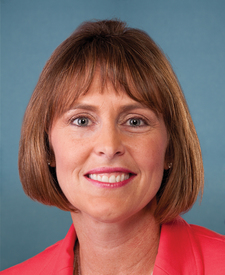
Legislative Progress
In CommitteeMs. Schrier (for herself, Mr. Fitzpatrick, Ms. Castor of Florida, …
Referred to the House Committee on Energy and Commerce.
Introduced in House
Stakeholder Effects
cui bono?How this legislation distributes effects. Mention counts reflect frequency, not effect magnitude.
Centers for Medicare and Medicaid Services, State Medicaid agencies
Bill Structure & Actor Mappings
Who is "The Secretary" in each section?
We use a combination of our own taxonomy and classification in addition to large language models to assess meaning and potential beneficiaries. High confidence means strong textual evidence. Always verify with the original bill text.
Learn more about our methodology