Guard and Reserve GI Bill Parity Act of 2025
Summary
What This Bill Does
The Guard and Reserve GI Bill Parity Act amends the title 38 definition of active duty for Post-9/11 Educational Assistance. It updates reserve-component service language and adds National Guard service while performing full-time National Guard duty or active duty under title 32. The change takes effect on enactment. The practical point is parity: Guard members performing full-time operational or domestic-response duties under title 32 can have that service count toward Post-9/11 GI Bill eligibility rather than being treated as outside the benefit calculation.
Who Benefits and How
National Guard members benefit because full-time National Guard duty can count toward Post-9/11 GI Bill eligibility. Guard families benefit if added education entitlement lowers college costs after service. State National Guard units benefit from a stronger education-benefit recruitment and retention argument. Veterans education counselors benefit from clearer statutory treatment of title 32 service.
Who Bears the Burden and How
The Department of Veterans Affairs must update GI Bill eligibility systems and adjudication guidance. State Guard personnel offices must document covered duty in a form VA can verify. Federal taxpayers bear the cost of additional education benefits. Schools receiving GI Bill funds may see more eligible Guard students using benefits.
Key Provisions
- Amends Post-9/11 GI Bill active-duty definitions for reserve components.
- Adds full-time National Guard duty to qualifying service.
- Adds National Guard title 32 active duty to qualifying service.
- Applies the expanded eligibility beginning on enactment.
Evidence Chain:
This summary is generated from the full bill text using AI analysis. Expand "Detailed Analysis" below for identified beneficiaries/burden bearers with clause-level evidence links.
At a Glance
What This Bill Does
Expands Post-9/11 GI Bill qualifying service so National Guard full-time duty and title 32 active duty count toward educational assistance eligibility after enactment.
Key Policy Areas
Veterans, National Guard, Education Benefits
Primary Purpose
Expands Post-9/11 GI Bill qualifying service so National Guard full-time duty and title 32 active duty count toward educational assistance eligibility after enactment.
Policy Domains
Resolution provisions
Identified Gains
- National Guard members
- Guard families
- State National Guard units
- Veterans education counselors
Identified Costs
- Department of Veterans Affairs
- State Guard personnel offices
- Federal taxpayers
- GI Bill schools
Sponsors



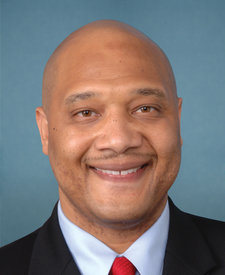

Legislative Progress
In CommitteeForwarded by Subcommittee to Full Committee by Voice Vote.
Subcommittee Consideration and Mark-up Session Held
Subcommittee Hearings Held
Referred to the Subcommittee on Economic Opportunity.
Mr. Levin (for himself, Mr. Kelly of Mississippi, Mr. Takano, …
Referred to the House Committee on Veterans' Affairs.
Introduced in House
Stakeholder Effects
cui bono?How this legislation distributes effects. Mention counts reflect frequency, not effect magnitude.
Bill Structure & Actor Mappings
Who is "The Secretary" in each section?
We use a combination of our own taxonomy and classification in addition to large language models to assess meaning and potential beneficiaries. High confidence means strong textual evidence. Always verify with the original bill text.
Learn more about our methodology