Cameron’s Law
Summary
What This Bill Does
Cameron's Law changes Internal Revenue Code section 45C. The orphan drug tax credit for qualified clinical testing expenses would rise from 25 percent to 50 percent for taxable years beginning after enactment. That restores a larger federal subsidy for clinical trials of drugs treating rare diseases or conditions. The bill's tradeoff is direct: rare-disease drug developers get stronger tax support for testing, while federal revenue falls because a larger share of qualifying expenses offsets tax liability.
Who Benefits and How
Rare disease drug developers benefit because half of qualified clinical testing expenses can be claimed as a tax credit. Rare disease patients benefit if stronger trial incentives lead to more orphan drug development. Biotechnology startups benefit because the credit improves after-tax financing for small patient-population trials. Clinical research organizations benefit if sponsors fund more orphan drug testing.
Who Bears the Burden and How
Federal taxpayers bear the revenue cost of increasing the orphan drug credit rate. The Internal Revenue Service must administer the restored 50 percent credit. Budget writers must account for lower tax receipts from qualifying orphan drug clinical testing. Drug sponsors must document qualified clinical testing expenses to claim the larger credit.
Key Provisions
- Amends section 45C to increase the orphan drug credit from 25 percent to 50 percent.
- Provides the restored credit rate for taxable years beginning after enactment.
- Authorizes stronger tax support for clinical testing of orphan drugs treating rare diseases or conditions.
- Expands the federal tax subsidy for qualifying drug-development expenses.
Evidence Chain:
This summary is generated from the full bill text using AI analysis. Expand "Detailed Analysis" below for identified beneficiaries/burden bearers with clause-level evidence links.
At a Glance
What This Bill Does
Amends the orphan drug clinical testing tax credit by restoring the credit rate from 25 percent to 50 percent for taxable years beginning after enactment.
Key Policy Areas
Tax, Pharmaceuticals, Rare Disease
Primary Purpose
Amends the orphan drug clinical testing tax credit by restoring the credit rate from 25 percent to 50 percent for taxable years beginning after enactment.
Policy Domains
Resolution provisions
Identified Gains
- Rare disease drug developers
- Rare disease patients
- Biotechnology startups
- Clinical research organizations
Identified Costs
- Federal taxpayers
- Internal Revenue Service
- Budget writers
- Drug sponsors
Sponsors
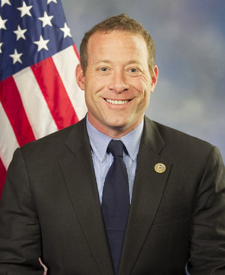
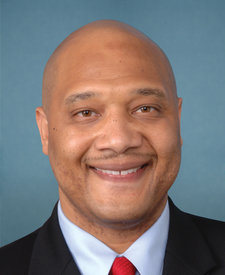


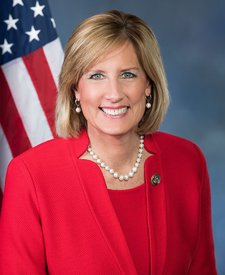
Legislative Progress
In CommitteeMr. Gottheimer (for himself, Mr. Bacon, Mr. Panetta, and Mr. …
Referred to the House Committee on Ways and Means.
Introduced in House
Stakeholder Effects
cui bono?How this legislation distributes effects. Mention counts reflect frequency, not effect magnitude.
Bill Structure & Actor Mappings
Who is "The Secretary" in each section?
We use a combination of our own taxonomy and classification in addition to large language models to assess meaning and potential beneficiaries. High confidence means strong textual evidence. Always verify with the original bill text.
Learn more about our methodology