No Veteran Should Go Hungry Act of 2025
Summary
What This Bill Does
The No Veteran Should Go Hungry Act amends title 10 Transition Assistance Program counseling. Separating service members would receive information and counseling, developed with the Agriculture Secretary, about federal food and nutrition assistance programs, including SNAP and WIC. The bill recognizes that food insecurity can arise during the move from military pay and benefits to civilian employment, and it embeds benefit navigation into the standard transition process rather than waiting for veterans to discover programs after hardship.
Who Benefits and How
Transitioning service members benefit because TAP counseling would include SNAP, WIC, and other nutrition assistance information before separation. Military families benefit if spouses, infants, and children learn about WIC and food support during the transition window. Food-insecure veterans benefit from earlier connection to programs that can reduce hunger after leaving service. Veterans service organizations benefit from a clearer referral point for nutrition-assistance outreach.
Who Bears the Burden and How
The Department of Defense must add food-assistance information and counseling to Transition Assistance Program delivery. The Department of Agriculture must help develop accurate SNAP, WIC, and nutrition-program materials. Transition counselors must learn and deliver another benefit-navigation topic. Federal taxpayers may bear added food-assistance costs if more eligible veterans enroll.
Key Provisions
- Amends TAP counseling requirements to include food and nutrition assistance information.
- Requires consultation with the Agriculture Secretary.
- Specifically includes SNAP and WIC in the counseling materials.
- Connects separating service members to food-assistance resources before civilian transition.
Evidence Chain:
This summary is generated from the full bill text using AI analysis. Expand "Detailed Analysis" below for identified beneficiaries/burden bearers with clause-level evidence links.
At a Glance
What This Bill Does
Adds SNAP, WIC, and other federal food and nutrition assistance counseling to the military Transition Assistance Program in consultation with USDA.
Key Policy Areas
Veterans, Food Assistance, Military Transition
Primary Purpose
Adds SNAP, WIC, and other federal food and nutrition assistance counseling to the military Transition Assistance Program in consultation with USDA.
Policy Domains
Resolution provisions
Identified Gains
- Transitioning service members
- Military families
- Food-insecure veterans
- Veterans service organizations
Identified Costs
- Department of Defense
- Department of Agriculture
- Transition counselors
- Federal taxpayers
Sponsors
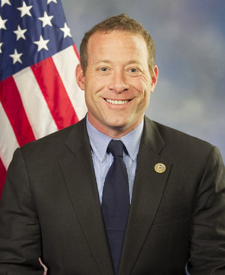


Legislative Progress
In CommitteeMr. Gottheimer introduced the following bill; which was referred to …
Referred to the House Committee on Armed Services.
Introduced in House
Stakeholder Effects
cui bono?How this legislation distributes effects. Mention counts reflect frequency, not effect magnitude.
Bill Structure & Actor Mappings
Who is "The Secretary" in each section?
We use a combination of our own taxonomy and classification in addition to large language models to assess meaning and potential beneficiaries. High confidence means strong textual evidence. Always verify with the original bill text.
Learn more about our methodology