9/11 Responder and Survivor Health Funding Correction Act of 2025
Summary
What This Bill Does
The 9/11 Responder and Survivor Health Funding Correction Act updates the World Trade Center Health Program. It lets initial mental health evaluations and certifications be conducted not only by physicians but by licensed mental health provider categories set by the WTC Program Administrator, with regulations due within 180 days. It revises funding for fiscal years 2026 through 2090 using a formula tied to the previous year's amount, a 1.07 multiplier, and enrollment ratios, and it preserves or adjusts fiscal year 2025 and 2026 funding baselines. It also requires HHS to report to congressional leaders and health and budget committees on projected budget authority and outlays through the program's duration.
Who Benefits and How
9/11 responders benefit because mental health condition certifications can be handled by more qualified licensed providers. 9/11 survivors benefit from more flexible access to WTC Program mental health evaluations. Licensed mental health providers benefit because WTC Program rules can authorize them to conduct covered evaluations. WTC Program clinics benefit from funding corrections designed to keep services available through 2090.
Who Bears the Burden and How
The WTC Program Administrator must issue regulations identifying eligible mental health provider categories. The Department of Health and Human Services must calculate long-range funding needs and report projections to Congress. Federal taxpayers bear the cost of increased and extended WTC Health Program funding. Congressional budget committees must review program projections, modeling accuracy, and long-term outlays.
Key Provisions
- Authorizes licensed mental health providers to conduct initial WTC Program mental health evaluations.
- Requires WTC Program regulations on mental health provider categories within 180 days.
- Revises WTC Health Program funding calculations for fiscal years 2026 through 2090.
- Requires HHS to report projected budget authority and outlays through the program duration.
Evidence Chain:
This summary is generated from the full bill text using AI analysis. Expand "Detailed Analysis" below for identified beneficiaries/burden bearers with clause-level evidence links.
At a Glance
What This Bill Does
Expands World Trade Center Health Program mental-health certification flexibility, revises funding formulas through fiscal year 2090, and requires a long-range budget assessment for Congress.
Key Policy Areas
Public Health, 9/11 Responders, Federal Health Programs
Primary Purpose
Expands World Trade Center Health Program mental-health certification flexibility, revises funding formulas through fiscal year 2090, and requires a long-range budget assessment for Congress.
Policy Domains
Resolution provisions
Identified Gains
- 9/11 responders
- 9/11 survivors
- Licensed mental health providers
- WTC Program clinics
Identified Costs
- WTC Program Administrator
- Department of Health and Human Services
- Federal taxpayers
- Congressional budget committees
Sponsors
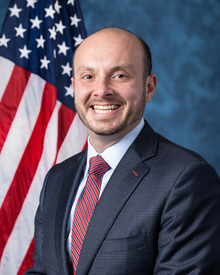

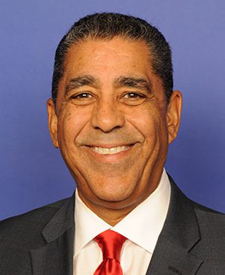

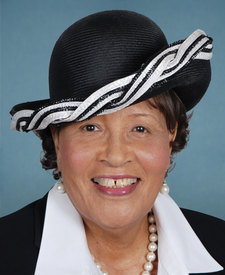
Legislative Progress
In CommitteeMr. Garbarino (for himself, Mr. Nadler, Mr. Kean, Mr. Goldman …
Referred to the House Committee on Energy and Commerce.
Introduced in House
Stakeholder Effects
cui bono?How this legislation distributes effects. Mention counts reflect frequency, not effect magnitude.
Bill Structure & Actor Mappings
Who is "The Secretary" in each section?
We use a combination of our own taxonomy and classification in addition to large language models to assess meaning and potential beneficiaries. High confidence means strong textual evidence. Always verify with the original bill text.
Learn more about our methodology