Trailer Safety Improvement Act
Summary
What This Bill Does
The Trailer Safety Improvement Act amends title 23 highway safety program language. State highway safety programs may address unsecured vehicle loads, prevent improper and unsafe use of light-duty and medium-duty trailers, and educate the public about required trailer safety equipment and preventive maintenance. The bill does not create a new standalone grant; it adds trailer-specific hazards and education to the safety topics eligible under the existing section 402 framework.
Who Benefits and How
Motorists benefit if better trailer education reduces crashes from unsafe towing, bad maintenance, or unsecured loads. Trailer owners benefit from clearer public education about required safety equipment and preventive maintenance. State highway safety offices benefit because trailer-safety campaigns fit within existing federal safety program authority. Road maintenance workers benefit if fewer unsecured loads and trailer failures create roadway debris hazards.
Who Bears the Burden and How
State highway safety offices must decide whether to add trailer-safety education to their section 402 programs. NHTSA program staff must review trailer-safety activities in highway safety plans and grant oversight. Trailer rental businesses may face more customer education expectations about safe trailer use. Drivers using light-duty trailers bear more attention to equipment, loads, and maintenance.
Key Provisions
- Amends highway safety program authority to include trailer-safety programs.
- Adds prevention of improper and unsafe light-duty and medium-duty trailer use.
- Adds public education about required trailer safety equipment.
- Adds preventive maintenance education after unsecured vehicle loads in the eligible-safety list.
Evidence Chain:
This summary is generated from the full bill text using AI analysis. Expand "Detailed Analysis" below for identified beneficiaries/burden bearers with clause-level evidence links.
At a Glance
What This Bill Does
Adds trailer safety, unsafe light-duty and medium-duty trailer use, required trailer equipment, and preventive maintenance education to eligible highway safety program activities.
Key Policy Areas
Transportation Safety, Highway Grants, Consumer Education
Primary Purpose
Adds trailer safety, unsafe light-duty and medium-duty trailer use, required trailer equipment, and preventive maintenance education to eligible highway safety program activities.
Policy Domains
Resolution provisions
Identified Gains
- Motorists
- Trailer owners
- State highway safety offices
- Road maintenance workers
Identified Costs
- State highway safety offices
- NHTSA program staff
- Trailer rental businesses
- Light-duty trailer drivers
Sponsors




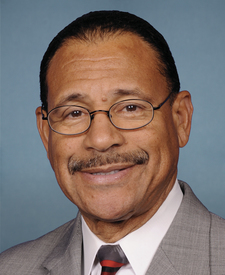
Legislative Progress
In CommitteeReferred to the Subcommittee on Highways and Transit.
Mr. Burchett (for himself and Mr. Bishop) introduced the following …
Referred to the House Committee on Transportation and Infrastructure.
Introduced in House
Stakeholder Effects
cui bono?How this legislation distributes effects. Mention counts reflect frequency, not effect magnitude.
Motorists, Trailer owners, Trailer rental businesses
Positive-direction: Motorists, Trailer owners
Negative-direction: Trailer rental businesses
Bill Structure & Actor Mappings
Who is "The Secretary" in each section?
We use a combination of our own taxonomy and classification in addition to large language models to assess meaning and potential beneficiaries. High confidence means strong textual evidence. Always verify with the original bill text.
Learn more about our methodology