To amend the Federal Water Pollution Control Act with respect to San Francisco Bay restoration, and for other purposes.
Sponsors
Legislative Progress
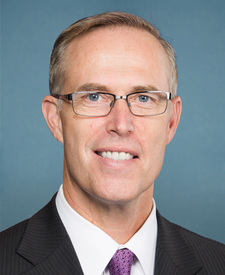
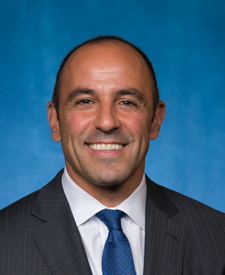
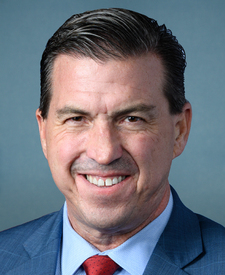
IntroducedMr. Huffman (for himself, Mr. Mullin, and Mr. Panetta) introduced …
Summary
What This Bill Does
This bill modernizes how the federal government can fund San Francisco Bay environmental restoration projects. It expands funding options beyond traditional grants to include cooperative agreements, contracts, and interagency agreements. It also adds new restrictions preventing entities with ties to China, Russia, Iran, or North Korea from receiving federal money.
Who Benefits and How
Environmental consulting firms and contractors working on Bay restoration projects benefit from having more ways to access federal funding—they can now receive money through contracts and cooperative agreements, not just competitive grants. Federal agencies like EPA and NOAA can now receive direct funding through interagency agreements to conduct restoration work. State and local agencies in the Bay Area, as well as special districts managing watershed projects, gain more flexible funding options to support their environmental programs.
Who Bears the Burden and How
Foreign entities based in or having ties to China, Russia, Iran, or North Korea are completely barred from receiving any federal funds under this program. U.S.-based environmental organizations and contractors that have partnerships or business relationships with entities from these countries must either sever those relationships or give up eligibility for San Francisco Bay restoration funding. Non-federal recipients must still provide a 25% cost match, which remains unchanged from current law.
Key Provisions
• Authorizes the Director to use cooperative agreements, contracts, and interagency agreements in addition to grants for Bay restoration funding
• Maintains the 75% federal / 25% non-federal cost-sharing requirement for grants and cooperative agreements to non-federal entities
• Prohibits funding to any organization that is domiciled in, organized under the laws of, or has partnerships with foreign countries of concern (defined as China, North Korea, Russia, and Iran)
• Allows federal agencies to receive funding through interagency agreements to carry out Bay restoration activities
• Removes the word "GRANT" from the section heading to reflect the broader range of funding mechanisms
Evidence Chain:
This summary is derived from the structured analysis below. See "Detailed Analysis" for per-title beneficiaries/burden bearers with clause-level evidence links.
Primary Purpose
Amends the Federal Water Pollution Control Act to expand funding mechanisms for San Francisco Bay restoration projects and restrict foreign entities from receiving federal funding
Policy Domains
Legislative Strategy
"Modernize grant-making authority by expanding funding mechanisms beyond grants to include cooperative agreements, contracts, and interagency agreements, while adding national security restrictions on foreign entities"
Likely Beneficiaries
- San Francisco Bay environmental restoration contractors and consultants (expanded funding mechanisms)
- Federal agencies (can now receive interagency agreement funding for Bay restoration)
- State and local agencies in Bay Area (more flexible funding options)
- Special districts managing Bay watershed projects
Likely Burden Bearers
- Foreign entities or organizations with ties to countries of concern (barred from funding)
- Non-Federal entities (must still provide 25% cost-share, no change from current law)
Bill Structure & Actor Mappings
Who is "The Secretary" in each section?
- "the_director"
- → Director of the San Francisco Estuary Partnership or EPA program administrator
- "estuary_partnership"
- → San Francisco Estuary Partnership
Key Definitions
Terms defined in this bill
As defined in 42 U.S.C. 19237, includes China, North Korea, Russia, and Iran
We use a combination of our own taxonomy and classification in addition to large language models to assess meaning and potential beneficiaries. High confidence means strong textual evidence. Always verify with the original bill text.
Learn more about our methodology